Kitchen Organization Trends That Truly Work
A kitchen can look tidy for five minutes and still make dinner feel harder than it should. The most useful kitchen organization trends are not about arranging everything in matching containers. They are about putting the tools you reach for most where they save time, clearing the spaces where you prep, and giving everyday clutter a practical home.
That is good news for real homes. A better-organized kitchen does not require a full renovation, custom cabinetry, or a weekend spent decanting every pantry staple. A few smart zones and hardworking tools can make cooking, cleanup, and serving feel noticeably more relaxed.
Kitchen Organization Trends Built for Daily Life
The shift is away from picture-perfect storage and toward organization that earns its place. If an item does not make a frequent task easier, it should not take up premium counter or drawer space. This approach works whether you cook most nights, share a compact apartment kitchen, or simply want less visual clutter around the sink.
Clear counters, purposeful stations
Open counter space is one of the biggest upgrades a kitchen can have. It creates room to chop vegetables, set down groceries, or help a child with homework without moving a lineup of appliances first. But a completely empty counter is not always realistic or useful.
The better approach is to create small stations for the tasks you do repeatedly. A coffee setup can hold the essentials for mornings. A cooking station near the stove can keep oil, salt, pepper, and the utensils you use every day within easy reach. Near the sink, a compact holder for a sponge, brush, and dish soap keeps cleaning supplies contained instead of scattered across the counter.
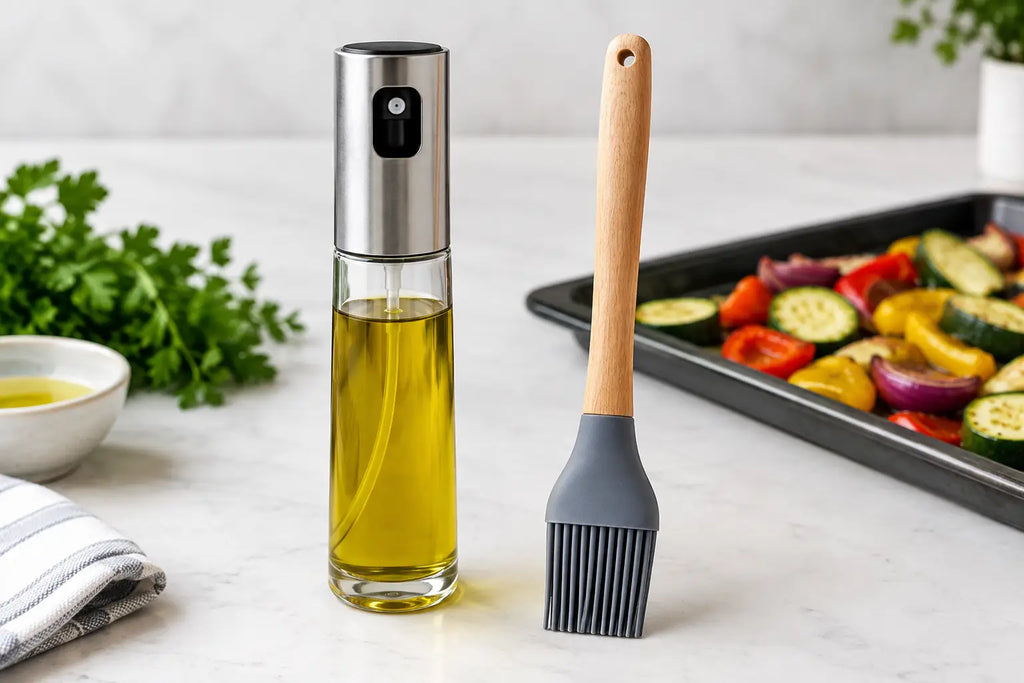
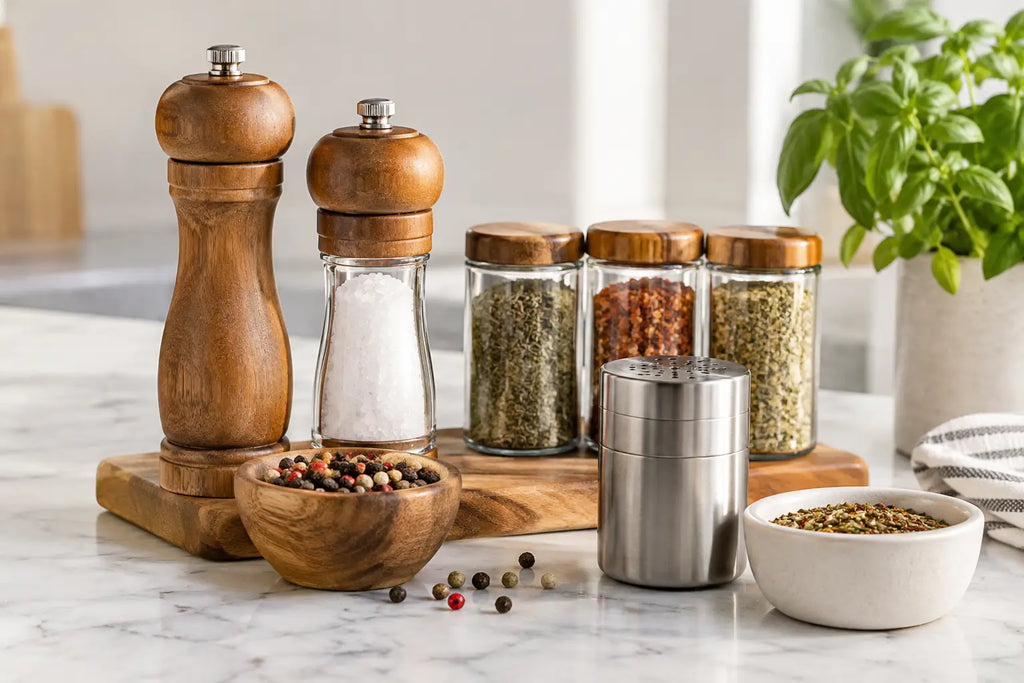
Keep these stations edited. One attractive oil sprayer and a pair of electric grinders may be more useful than a crowded tray of rarely used seasonings. The goal is not to hide everything. It is to make what stays out look intentional and work harder.
Drawer systems that stop the scramble
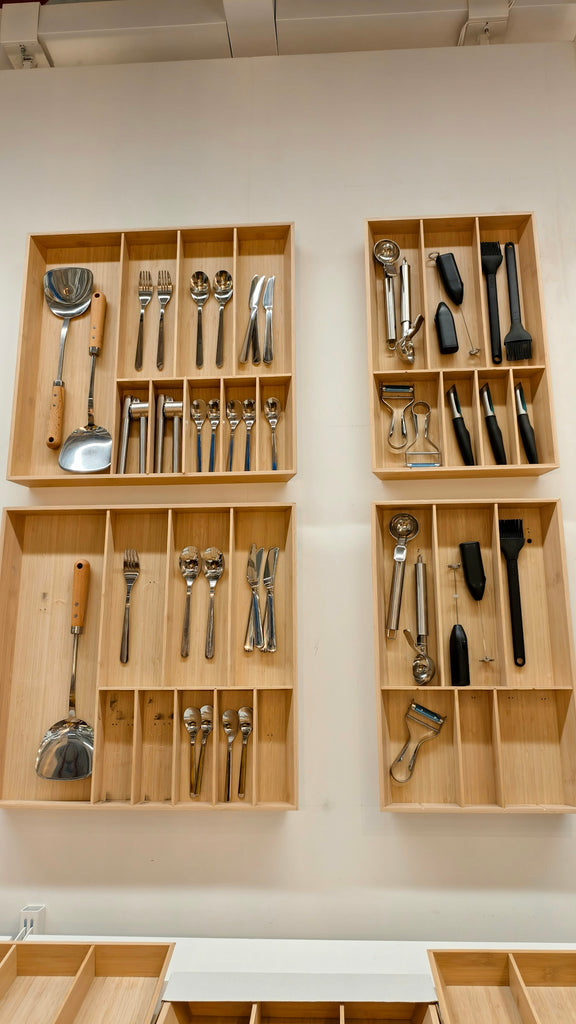
Deep drawers can hold a surprising amount, but they become frustrating when utensils, gadgets, and foil boxes turn into one large pile. Adjustable dividers, small bins, and simple grouping are trending because they solve a daily problem without changing the kitchen itself.
Start with the drawer that slows you down most. For many households, that is the utensil drawer. Give tongs, spatulas, measuring tools, and serving pieces their own sections. If you have a collection of small prep tools, such as a garlic press, peeler, or can opener, place them together in a shallow bin so they do not disappear under larger utensils.
A drawer does not need to look like a display case. It needs to let you find what you need with one hand while dinner is on the stove. That is the standard worth organizing around.
Vertical storage for small kitchens
When cabinets are full, the answer is often not more cabinets. It is using their height better. Vertical organizers for baking sheets, cutting boards, pan lids, and food-storage container tops make crowded shelves easier to use. Instead of lifting a stack to reach one item, you can slide out the piece you need.
This is especially helpful for bakeware and cookware. Store flat pans upright when possible, and keep lids vertical in a rack or divider rather than nesting them in a noisy, unstable pile. A compact shelf riser can also turn a tall cabinet into two usable levels for mugs, bowls, or pantry goods.
There is a trade-off: vertical storage adds structure, so it works best when you have a reasonably consistent group of items. If you use oversized pans or an assortment of oddly shaped lids, choose adjustable organizers instead of rigid slots.
The sink as a cleanup zone
The sink area is getting more attention for a simple reason: it is where small messes build up fast. A dish brush on the counter, a sponge in the basin, and food scraps around the drain can make an otherwise clean kitchen feel unfinished.
A dedicated sink organization setup keeps the essentials close without letting them take over. A drain strainer catches scraps before they travel farther into the plumbing. A holder or caddy gives sponges and brushes a place to dry. Colanders and vegetable-washing tools can make rinsing produce less messy, especially when you prep several ingredients at once.
Choose items that are easy to rinse and dry. Style matters, but a sink accessory that traps water or requires fussy cleaning will quickly become one more chore. The best pieces make the daily reset feel faster, not more complicated.
Organize Around How You Actually Cook
Trends are most helpful when they fit your habits. Before buying containers or organizers, pay attention to your kitchen for a few days. Where do you set groceries when you come home? Which drawer do you open while cooking? What tends to gather by the sink? Those patterns show you where organization will have the biggest payoff.
Keep prep tools close to the prep area
A smooth meal starts before anything hits the pan. If you regularly chop vegetables, grate garlic, season proteins, or rinse produce, keep those tools near your main prep surface. A nearby drawer can hold your garlic press, measuring spoons, shears, and peelers. A small cabinet or open bin can hold a colander and other wash-and-prep essentials.
This trend is less about creating a professional chef’s kitchen and more about reducing unnecessary steps. Walking across the room three times for a strainer, seasoning, and cutting board does not sound like much, but it adds friction to a busy weeknight.
Create a grab-and-go seasoning setup
Spices are a classic source of clutter because they are small, numerous, and easy to collect. A tiered spice rack or drawer organizer helps, but the right choice depends on where you season food. If you season mostly at the stove, a narrow rack near the cooking area makes sense. If you do more mixing and marinating on the counter, a drawer near your prep zone may work better.
Keep your most-used flavors accessible and move rarely used spices to a secondary spot. This prevents your everyday setup from becoming a wall of jars. It also makes it easier to notice what needs replacing before you start cooking.
For oils and dressings, a tray or designated cabinet section helps contain drips. An oil sprayer can be a particularly tidy option for everyday sautéing, roasting, and air-frying because it offers more control than a large bottle on the counter.
Make serving storage part of the plan
Organization often stops at cooking, but serving items need a home too. Trays, wine openers, serving spoons, and extra glasses are easiest to use when they are stored together rather than scattered between cabinets. This is a small change that makes casual dinners, holidays, and last-minute guests feel more manageable.
If space is limited, give entertaining tools a higher shelf or a bin you can pull out when needed. They do not need prime real estate if you use them only occasionally. The key is knowing exactly where they are when the moment calls for them.
What to Skip When Organizing Your Kitchen
Not every organizing idea is worth copying. Matching containers can look polished, but buying dozens before you know what you store most often can waste money and cabinet space. Start with the foods that create the most pantry clutter, then add containers only where they make scooping, stacking, or seeing inventory easier.
Be cautious with countertop organizers that are too large or too specialized. A bulky stand for one gadget may create more clutter than it solves. Multi-use, space-saving tools are usually the better investment, particularly in a small kitchen.
It also helps to avoid organizing around aspirational habits. If you rarely bake, you do not need a baking station on your easiest-to-reach shelf. Put your everyday needs first, and give occasional tools a sensible backup spot. A kitchen should support the life you have, not make you feel behind for not living a different one.
A Simple Reset That Lasts
The most successful kitchen resets happen in short, useful passes. Begin with one problem area - the utensil drawer, the sink, the spice cabinet, or the cookware shelf. Empty it, remove duplicates and damaged items, then return only what belongs there. Add an organizer only after you can see the category you are working with.
From there, build a five-minute reset into the end of the day. Return tools to their zones, clear the sink, wipe the prep area, and put stray items away. This small routine protects the system without turning organization into a project.
A well-organized kitchen should feel easy to use, not overly precious. Choose durable tools that solve everyday problems, give your most-used items the best locations, and leave enough open space for real life. That is the kind of kitchen that welcomes you back tomorrow, whether you are making a quick lunch or cooking for everyone at the table.
Related post
22
Oct