

Top Kitchen Tools for Seasoning That Earn Space
A good meal can be perfectly cooked and still taste flat. Usually, the missing piece is not another complicated recipe. It is better control over the salt, pepper, oils, herbs, and spices already sitting in your kitchen. The top kitchen tools for seasoning make those everyday ingredients easier to reach, easier to measure, and far more enjoyable to use.
You do not need a crowded counter full of specialty gadgets to cook with more flavor. A few smart, hardworking tools can help you season with confidence, cut down on spills, and keep your kitchen looking as put together as the meal you are serving.
Top Kitchen Tools for Seasoning at Home
The best seasoning tools solve small but frequent problems: pepper that loses its flavor in a dusty shaker, olive oil that pours too fast, spices hidden behind other spices, or salty fingers reaching into a container while you cook. Start with the tools that match how you make meals most often.
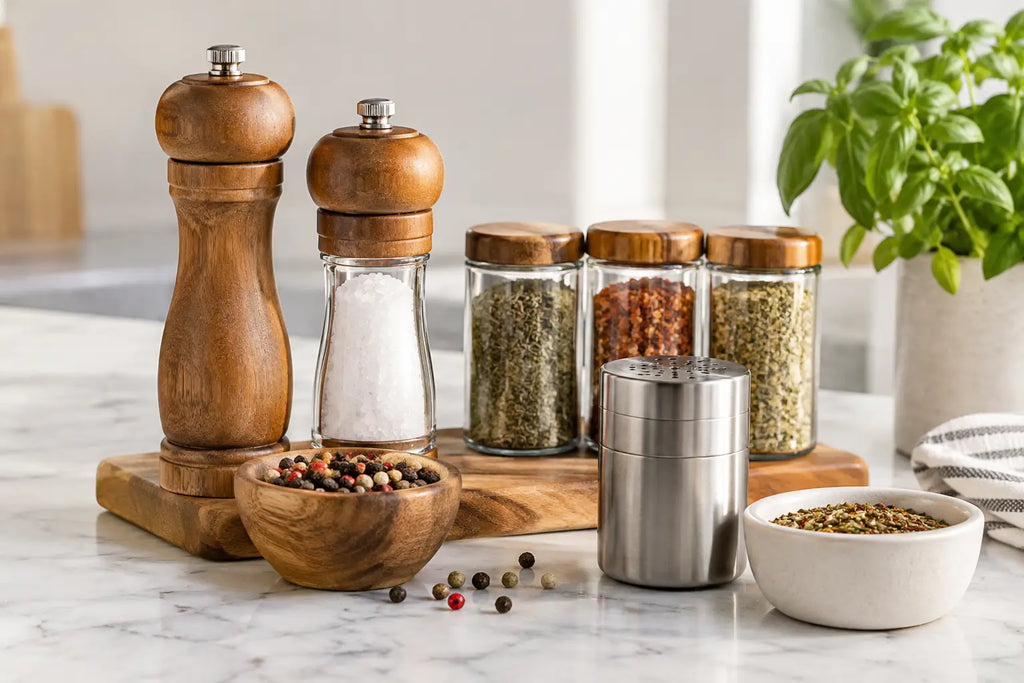
Electric salt and pepper grinders
Freshly ground pepper has a noticeable warmth and aroma that pre-ground pepper simply cannot match. An electric grinder makes that fresh flavor easy to add while you stir a sauce, turn chicken in a skillet, or finish a salad. With one hand free, cooking feels less fussy and more natural.
Look for a grinder with an adjustable setting so you can choose a fine texture for eggs and soups or a coarser grind for steak, roasted vegetables, and pasta. Transparent chambers are useful because you can see when a refill is due. A matching salt and pepper set also brings a cleaner, more polished look to the table.
Electric grinders are especially helpful for busy weeknight cooks, but manual mills still have a place. If you prefer a traditional feel and do not mind twisting, a quality manual grinder is simple, reliable, and does not require batteries or charging.
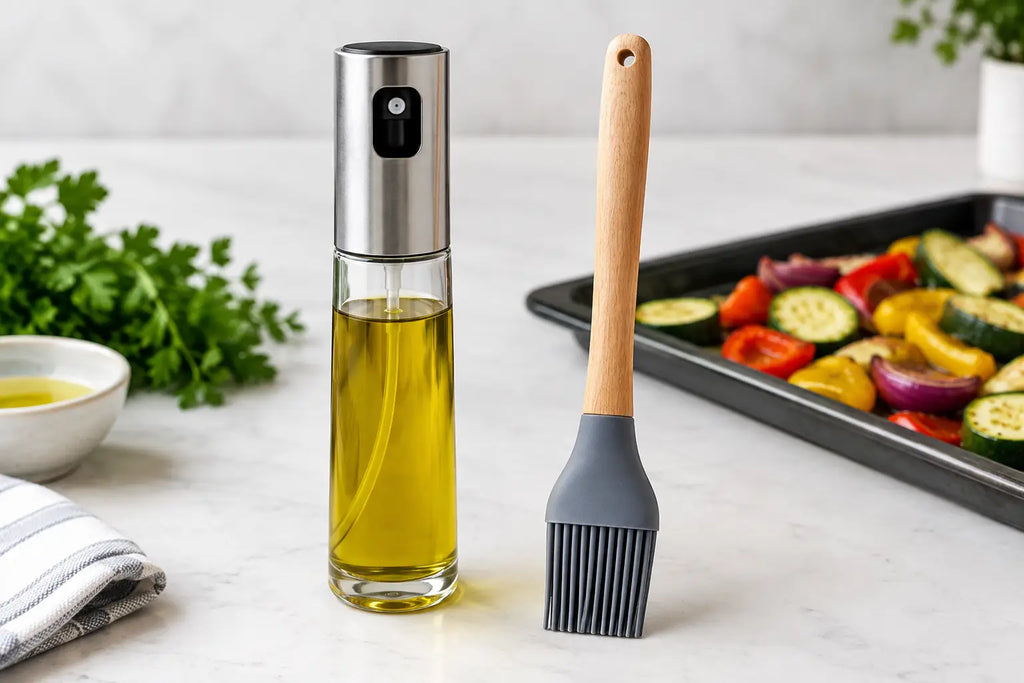
An oil sprayer for lighter, more even coverage
Oil is seasoning, not just a cooking necessity. A light mist of olive oil helps salt, spices, and herbs cling to vegetables before roasting. It can also give air-fried foods a crisp finish without leaving them greasy.
An oil sprayer offers more control than pouring from the bottle. Instead of accidentally coating a sheet pan or salad with too much oil, you can apply a thin, even layer exactly where it is needed. This is useful for roasted potatoes, grilled corn, fish fillets, popcorn, and homemade vinaigrettes.
The trade-off is that sprayers work best when kept clean. Thick oils and spice-infused oils can clog some nozzles, so use a smooth, filtered oil and rinse the tool according to its care instructions. For everyday olive or avocado oil, it is one of the easiest upgrades you can make.
Measuring spoons that are always within reach
Seasoning by instinct is wonderful once you know a recipe. Until then, measuring spoons keep a heavy hand from turning chili, taco filling, or marinara into something overly salty or intensely spicy. They are also essential when baking, where small changes in salt or cinnamon can affect the finished result.
A durable set with clearly marked measurements makes daily cooking faster. Magnetic spoons that nest together are especially convenient in a drawer, while narrow-ended spoons fit into spice jars without creating a mess. Keep one set near your prep area, not buried in the back of a cabinet, and you will use it far more often.
Measuring is not about making cooking feel strict. It gives you a dependable starting point. You can always taste and add more, but it is much harder to rescue a dish that received two tablespoons of cayenne instead of two teaspoons.
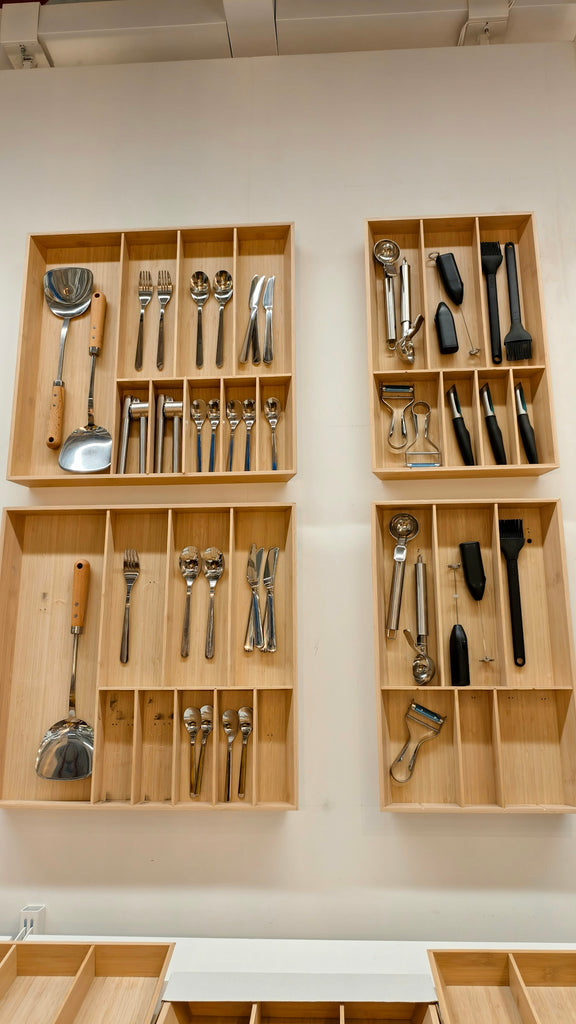
A countertop spice rack or drawer organizer
Great spices are not very useful when you cannot find them. A spice rack turns a scattered cabinet into a simple, visible system, so paprika, garlic powder, oregano, and red pepper flakes are ready when you need them.
Choose the format around your space. A compact countertop rack keeps everyday seasonings beside the stove. A tiered cabinet organizer helps you see labels at a glance without knocking over jars. For a cleaner counter, a drawer insert keeps containers neatly lined up and easy to scan from above.
Organization also helps with freshness. When every jar has a place, you are more likely to notice duplicates, use seasonings before they go stale, and replace old spices that no longer smell like much. Whole spices typically hold their flavor longer than ground spices, but all seasonings benefit from being stored away from heat, moisture, and direct sunlight.
A salt cellar or covered seasoning container
A salt cellar may look like a small detail, but it changes the rhythm of cooking. Instead of shaking salt from a container and hoping for the right amount, you can grab a pinch and feel how much you are adding. That kind of control is particularly useful for pasta water, sautéed vegetables, soups, and finishing a dish at the table.
A covered design protects salt from kitchen humidity, splatters, and dust. It also keeps the counter tidier than an open bowl. If you cook often, consider keeping flaky finishing salt in a separate cellar from your everyday kosher salt. They serve different jobs: kosher salt is easy to use during cooking, while flaky salt adds a delicate crunch right before serving.
A mortar and pestle for fresher flavor
For cooks who love bold sauces, fragrant curries, and restaurant-style finishing touches, a mortar and pestle is a practical classic. Crushing garlic, peppercorns, toasted cumin, fresh herbs, or citrus zest together releases oils that chopping or shaking from a jar cannot fully recreate.
It is not the right tool for every meal. A food processor is faster for large batches, and pre-ground spices are more convenient on rushed evenings. But for pesto, guacamole, spice pastes, chimichurri, or a quick blend of garlic and salt, a mortar and pestle provides flavor with very little equipment.
Choose a sturdy material that stays stable on the counter. A heavier bowl makes grinding easier, while a smaller size is ideal if you usually prepare seasoning blends for one meal at a time.
How to Build a Seasoning Setup That Works
The most useful setup is not the one with the most jars. It is the one that keeps your core flavors visible and your tools close to the action. Place salt, pepper, oil, and your most-used seasonings near the stove or prep board. Store less-used blends in a cabinet or drawer organizer, labeled clearly and away from heat.
Think about your usual meals, too. If sheet-pan dinners and air-fryer recipes are part of your weekly routine, an oil sprayer and electric grinder will likely earn their space first. If you bake, measure often, or follow new recipes, choose a dependable spoon set and an organized spice system. If you enjoy cooking from scratch on weekends, add a mortar and pestle for those small moments when fresh flavor makes the whole dish feel special.
Avoid buying tools just because they look good on a shelf. The right kitchen tool should save a few seconds, reduce a recurring mess, or make you more likely to use ingredients you already own. That is where an affordable upgrade becomes a genuinely useful one.
Kitchen Canvas focuses on those practical details that make everyday cooking feel easier. Start with one tool that solves your most common seasoning frustration, then build a setup that fits your counter, your cooking style, and your favorite meals. A better-seasoned dinner often begins with a tool that makes reaching for flavor feel effortless.
Related post
15
Oct


