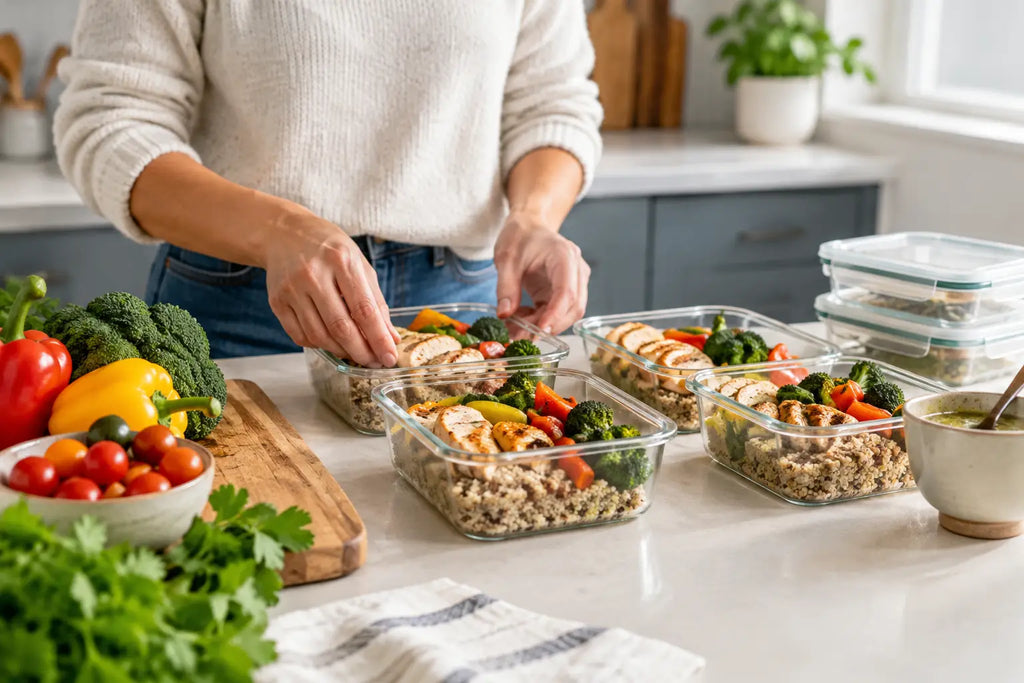
Meal Prep That Makes Weeknights Feel Easier
The best meal prep is not a refrigerator packed with seven identical containers. It is a small, realistic system that answers the 6 p.m. question before you are tired, hungry, and tempted to order takeout. A few prepared ingredients, a clear plan, and tools that make chopping and cleanup easier can change the pace of your whole week.
For most households, the goal is not perfection. It is having enough ready-to-use food to make breakfast, lunch, and dinner feel less like another task on a crowded day.
Start Meal Prep With Your Actual Week
Before choosing recipes, look at your calendar. A week with late practices, office days, appointments, or dinner plans needs a different approach than a quiet week at home. Planning for the life you really have is what keeps prepared food from becoming forgotten leftovers.
Choose two or three dinners you know your household will eat, then build around ingredients that can do more than one job. Roasted chicken can become grain bowls one night and wraps the next. A tray of roasted vegetables works beside salmon, folds into eggs, or adds color to a quick pasta. Cooked rice can anchor a stir-fry, burrito bowl, or simple lunch.
This approach keeps grocery shopping focused and cuts down on food waste. It also makes meals feel varied without requiring a different recipe for every day.
Pick Your Prep Style
There is no single right way to prepare food ahead. Full meal prep works well if you like grab-and-go lunches and do not mind repeating meals. Ingredient prep offers more flexibility: wash greens, chop vegetables, cook a protein, and make one sauce or dressing, then combine them differently throughout the week.
A hybrid approach is often the easiest place to start. Prepare a few breakfast or lunch portions, then keep dinner components ready to cook quickly. You still save time, but dinner retains that fresh-made feel.
Build a Simple Meal Prep Formula
Instead of chasing complicated menus, use a repeatable formula. Start with a protein, add a vegetable, choose a filling base, and finish with something flavorful. That could mean chicken, broccoli, rice, and a sesame-style sauce, or black beans, peppers, tortillas, and salsa.
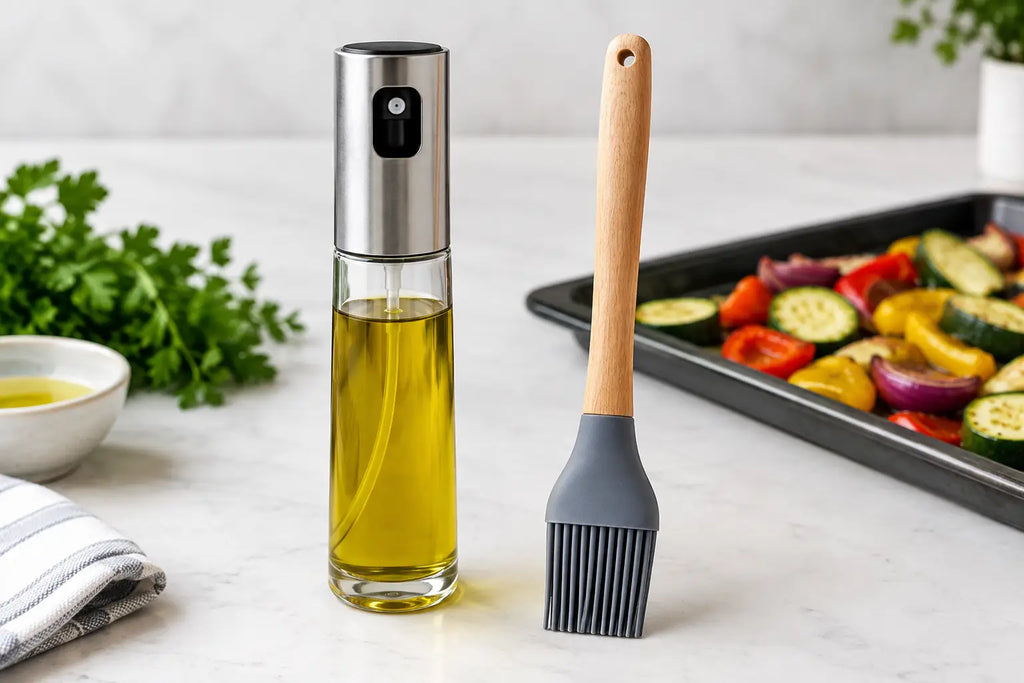
The formula matters because flavor prevents boredom. Plain cooked ingredients are useful, but they need a finish. Keep a few reliable options on hand, such as a vinaigrette, yogurt-based sauce, spice blend, citrus, fresh herbs, or a drizzle of flavored oil. Small additions make the same prepared ingredients taste like different meals.
When selecting recipes, consider how well they hold up. Grain bowls, soups, chili, roasted vegetables, cooked beans, and sturdy proteins generally reheat well. Delicate salads, crispy foods, and sliced avocado are better assembled closer to mealtime. If texture is important to you, store wet ingredients and crunchy toppings separately.
Shop With a Short, Flexible List
A useful grocery list has a purpose for every item, but it leaves room for swaps. If broccoli is not appealing that week, choose green beans or cauliflower. If chicken is expensive, use eggs, beans, tofu, or ground turkey. Meal prep should make your routine easier, not force you into a rigid plan.
For a practical week of mix-and-match meals, shop for a few categories:
- One or two proteins you enjoy eating more than once
- Two vegetables for roasting or quick sautés, plus fresh produce for snacks
- One base such as rice, potatoes, pasta, quinoa, or tortillas
- One breakfast option and one easy lunch backup
- A few flavor boosters, including seasonings, sauces, and crunchy toppings
Make the Prep Session Work Harder, Not Longer
You do not need to give up your entire Sunday afternoon. An efficient prep session usually starts with the longest-cooking item first. Heat the oven for roasted vegetables or sheet-pan protein, start grains or beans on the stove, then wash and chop produce while those cook.
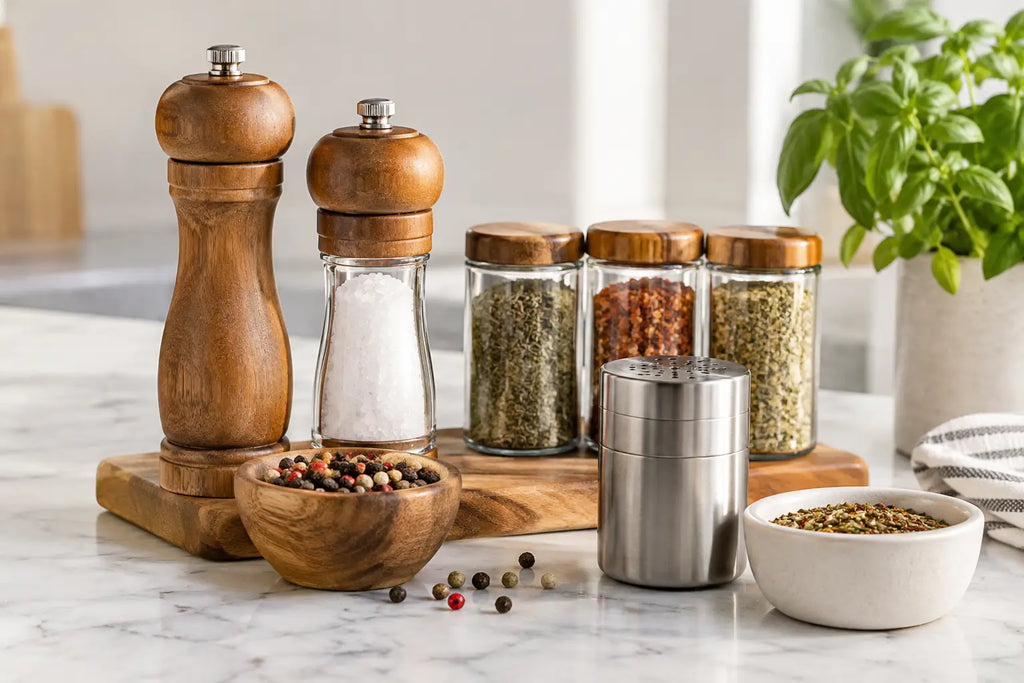
Use the waiting time well. A colander makes rinsing produce and grains quicker, while a vegetable-washing tool can help streamline a task that is easy to put off. A sharp prep tool, dependable garlic press, and well-organized spice rack may seem like small upgrades, but they remove the annoying pauses that make cooking feel bigger than it is.
Keep cleanup in the plan, too. Set a bowl or small bin beside your cutting board for scraps. Rinse tools as you go. Use a sink strainer to catch peels and food bits before they become a drain problem. The less cleanup waiting at the end, the more likely you are to keep the habit next week.
Prep Components in Batches
Batching is where time savings become noticeable. Chop all the vegetables before moving to sauces. Cook proteins in one or two larger batches. Mix dressings while the oven is on. Each repeated motion becomes faster when you stay with it instead of switching tasks every few minutes.
That said, do not over-prep foods you know will not get used. If your family only reaches for cut vegetables twice a week, prepare enough for two days and leave the rest whole. Freshness is part of convenience. A smaller amount of food that gets eaten is always better than a perfectly portioned plan that gets tossed.
Store Food for Freshness and Easy Decisions
Let hot foods cool slightly before refrigerating them, and use clean, well-fitting containers. Clear containers are especially helpful because you can see what is available at a glance. Labeling is useful for soups, sauces, and freezer portions, particularly when several similar containers are in the fridge.
Store ingredients in a way that makes the next step obvious. Place ready-to-eat lunches at eye level. Keep washed fruit where it is easy to grab. Put ingredients for the next dinner together on one shelf or in one bin. When good options are visible, they are far more likely to become the choice.
Most prepared foods are best enjoyed within a few days, though exact storage time depends on the ingredient and how it was handled. If you are preparing for a full week, freeze a portion early rather than hoping it will still look appealing on Friday. Soups, cooked grains, sauces, and many cooked proteins freeze particularly well.
Keep Weeknight Cooking Flexible
Prepared ingredients should reduce decisions, not eliminate all spontaneity. On Monday, turn roasted vegetables and rice into bowls. On Wednesday, fold the remaining vegetables into an omelet or pasta. On Thursday, use the last of the protein in tacos with a fresh topping. The structure is prepared, but the meals do not have to feel repetitive.
It also helps to keep one emergency meal option on hand. Think freezer dumplings, canned soup upgraded with vegetables, eggs and toast, or pasta with a simple sauce. Even the best plan can change because of a late meeting, a sick kid, or a night when cooking simply is not happening. A backup protects the plan without adding pressure.
Kitchen Canvas is built around this kind of everyday ease: practical tools that help prep, cooking, storage, and cleanup take less effort while keeping your space feeling organized and capable.
A Better Routine Starts Small
Do not wait for the perfect menu, a completely empty Sunday, or a cabinet full of new gear. Start by preparing one protein, one vegetable, and one base for the next few days. Notice which part of the process saves you the most time, then improve that step with a smarter habit or a useful kitchen tool.
A good meal prep routine should leave you with more breathing room, not another standard to meet. When dinner is easier to start, the whole kitchen feels like it is working with you.
Related post
22
Oct