How to Prevent Countertop Clutter for Good
The counter is where kitchen clutter quietly multiplies. A coffee mug waits beside unopened mail, cooking oil shares space with a stack of containers, and suddenly there is nowhere to chop an onion. Learning how to prevent countertop clutter is less about owning fewer things and more about giving the things you use a practical place to live.
A clear kitchen does not need to look bare or overly styled. It should feel ready for real life: weekday breakfasts, quick lunches, family dinners, and the cleanup that follows. The goal is to keep your most useful tools close while making every inch of counter space work harder.
Start by protecting your work zones
Most kitchens have a few natural activity areas: a prep area near the cutting boards, a cooking area near the stove, a cleaning area around the sink, and often a coffee or breakfast spot. When items drift outside these zones, counters begin to feel crowded fast.
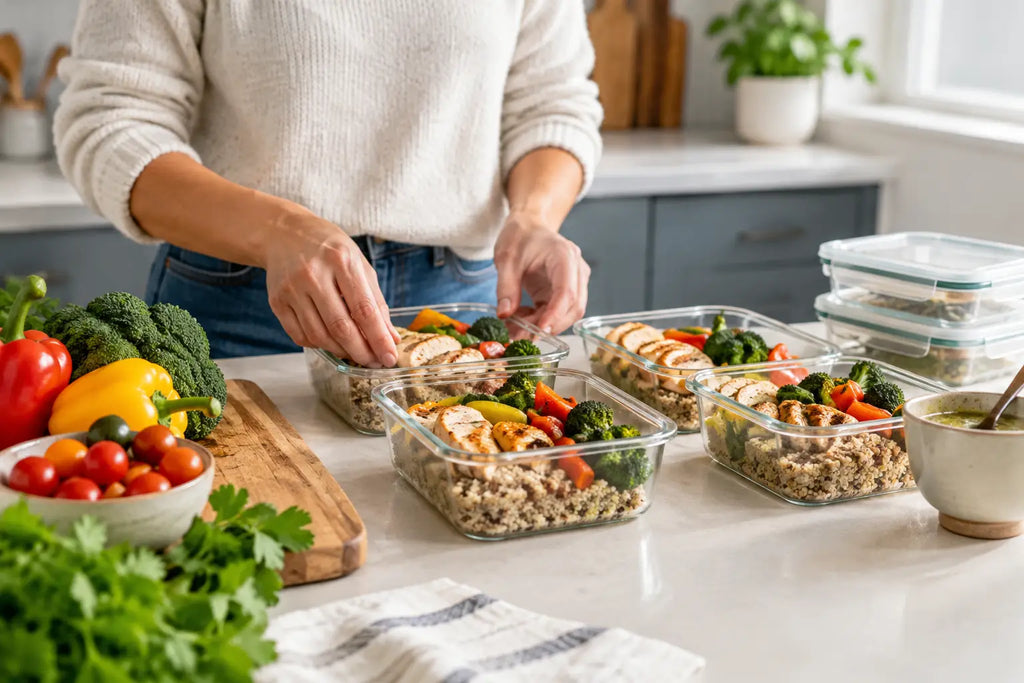
Choose one stretch of counter to remain mostly open. This is your everyday prep space, even if it is only a few square feet wide. Avoid turning it into a landing pad for groceries, paperwork, water bottles, or small appliances. An open surface gives you room to cook without moving five things first, which is often the difference between making a meal and ordering takeout.
Then assign nearby storage to each zone. Keep knives, peelers, a garlic press, and measuring tools close to where you prep. Place oils, seasonings, and utensil holders near the stove, but not so close that heat and splatter become a problem. At the sink, reserve space for the tools that make cleanup easier, such as a drain strainer, dish brush, and a compact organizer.
Keep only daily-use items on display
The fastest way to create a calmer counter is to question every item sitting on it. A countertop earns its place when it supports a task you do often. Your coffee maker may stay out if you use it every morning. A toaster may be worth the space if breakfast is a daily routine. The bread maker you use twice a year probably belongs in a cabinet or pantry shelf.
This is not a rule that requires hiding everything. A few attractive, useful pieces can make the kitchen feel welcoming. The key is avoiding a collection of single-purpose items that each claim permanent space.
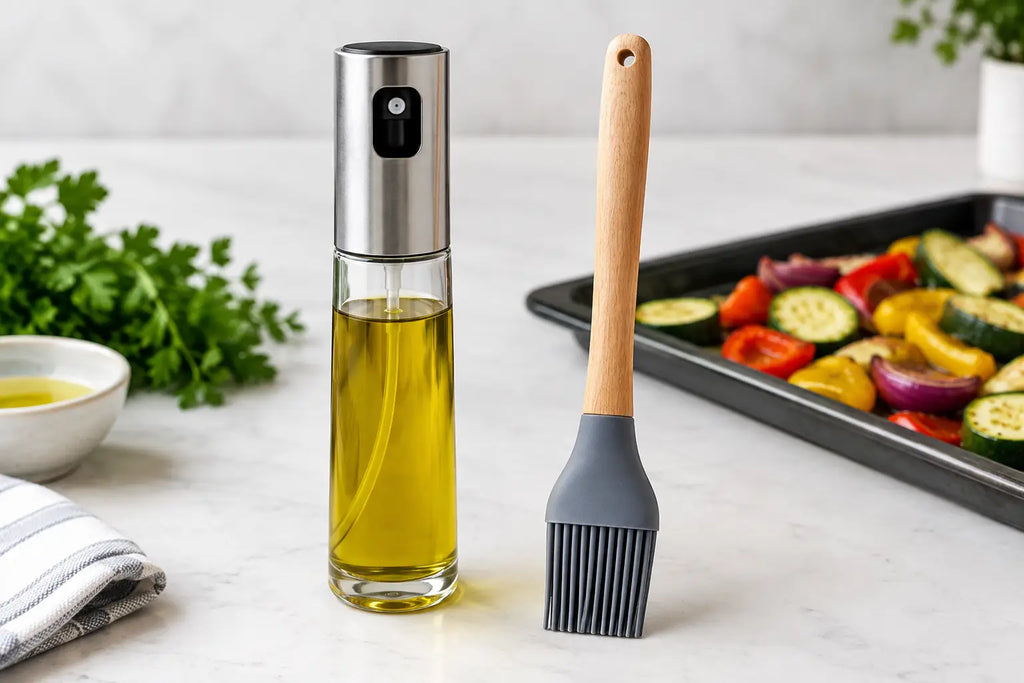
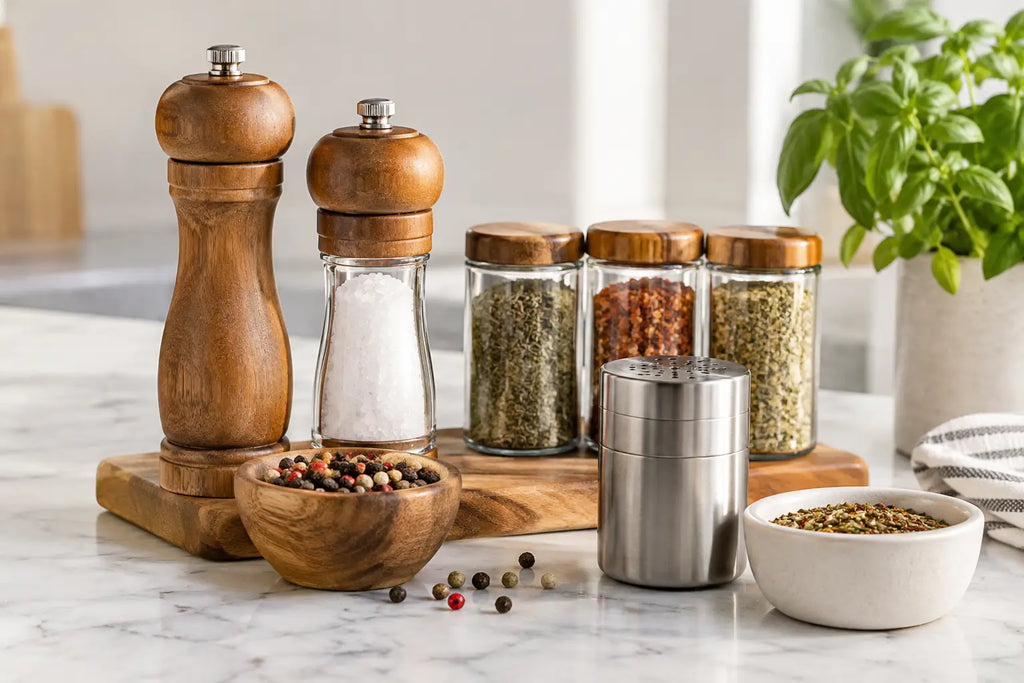
For example, a slim spice rack can keep your most-used seasonings visible and contained instead of scattered across the backsplash. An electric grinder can replace separate salt and pepper shakers while adding a polished touch to the dining area. A compact oil sprayer may take up less room than multiple bulky bottles and helps you control how much oil you use when cooking.
Think in terms of frequency, not guilt. If you love an appliance but use it once a week, it may still deserve a spot. If something has been untouched for months, store it elsewhere and enjoy the extra breathing room.
How to prevent countertop clutter with better storage
Counter clutter often starts because storage is inconvenient. If foil, food containers, and utensils are difficult to reach, it is natural to leave them out. A practical organization system should make putting things away easier than leaving them on the counter.
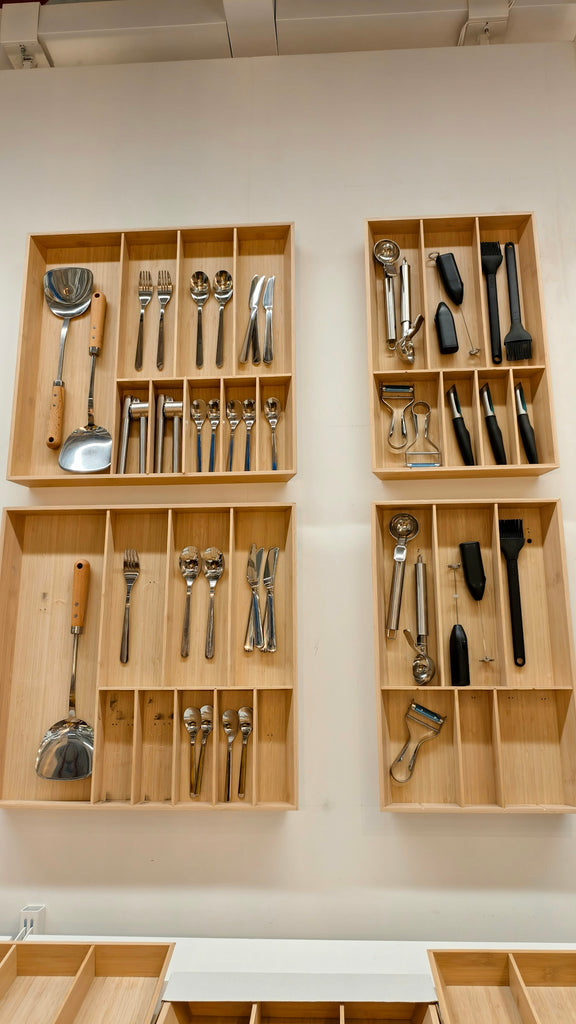
Use drawers for small tools that tend to wander, including openers, presses, measuring spoons, and clips. Keep these tools sorted by task rather than forcing every category into a perfect-looking system. A drawer near the stove can hold your cooking tools, while a drawer near your prep area can hold peelers, graters, and vegetable-washing accessories.
Vertical storage is especially helpful in smaller kitchens. Tray dividers make baking sheets and cutting boards easier to grab without creating a leaning pile. Wall-mounted hooks can hold a few frequently used items, but use them thoughtfully. Too many hanging utensils can look as busy as a full counter.
Cabinet doors and the inside of pantry doors are useful, often overlooked storage spots. They can hold wraps, cleaning supplies, or narrow racks for spices. Just make sure the door closes easily and the added storage does not interfere with shelves inside.
Give the sink area a simple system
The sink is one of the most common sources of visual clutter because it attracts dishes, sponges, soap bottles, and food scraps all day. A cleaner sink zone makes the entire kitchen look more organized.
Start with a dependable drain strainer so scraps have one clear place to go rather than collecting in the basin. Use a small sink organizer to hold your sponge, brush, and dish soap together. This keeps wet tools off the counter, where they leave water marks and create a messy look even after the dishes are done.
If you wash produce often, choose a colander or produce-washing tool that fits your routine and stores easily. Bulky items that do not stack well can become clutter quickly. A multi-use option that rinses, drains, and stores neatly gives you more function without adding another awkward item to the counter.
Make it a habit to reset this area after dinner. Rinse the sink, clear the drain, and return the sponge and soap to their place. It takes a minute, but it makes tomorrow morning feel noticeably easier.
Stop the paper pile before it lands
Not all countertop clutter comes from the kitchen. Mail, receipts, school forms, and delivery slips tend to land wherever there is an open surface. Once papers settle near the fruit bowl or coffee machine, they are easy to ignore until they become a stack.
Create a dedicated paper drop zone outside the kitchen if possible. An entryway tray, wall pocket, or small desk organizer works better than a kitchen counter because it keeps paperwork close to where you enter and leave the home. If your kitchen is the only realistic spot, use one contained basket or upright file holder and make it the only place papers are allowed to go.
Sort it regularly. Recycle junk mail right away, file what matters, and handle bills or forms on a set day each week. The best system is not the prettiest one. It is the one your household will actually use.
Choose multi-use tools over duplicates
A crowded kitchen is not always caused by too much stuff. Often, it is caused by too many tools doing almost the same job. Before adding another gadget, consider whether it solves a frequent problem and whether it can replace something you already own.
A well-designed garlic press, for instance, makes quick work of dinner prep without requiring a separate chopping board and knife for one small task. A colander that also works for rinsing produce can reduce the need for multiple bowls. A compact wine opener can live in a drawer instead of joining a collection of countertop accessories.
There are trade-offs. Multi-use tools are ideal when they perform each job well and store neatly. But a tool used every day should not be chosen only because it folds or nests. If it is frustrating to clean or awkward to use, it will end up abandoned on the counter. Look for durable, easy-to-wash pieces that genuinely make the routine faster.
Create a five-minute closing routine
Even the smartest storage will not prevent clutter if items never make it back home. The easiest fix is a short kitchen reset at the end of the day. Put away clean dishes, return oils and seasonings to their spot, wipe the prep area, and deal with anything that does not belong in the kitchen.
You do not need a full cleaning session. Think of it as setting up your future self. A clear counter in the morning makes coffee, breakfast, and packed lunches feel less rushed. It also makes a small kitchen feel larger without changing a single cabinet.
If other people share your home, keep the routine simple enough for everyone to follow. A labeled drawer, a visible tray, or a designated basket works better than a complicated system that only one person understands.
Make room for the way you actually cook
The best answer to how to prevent countertop clutter is not copying someone else's perfectly styled kitchen. It is shaping your space around your real habits. If you cook with fresh ingredients most nights, prioritize an open prep zone and easy access to washing and chopping tools. If baking is your weekend reset, give your mixer a stable home and store sheet pans vertically nearby.
Kitchen Canvas is built around this kind of practical upgrade: useful tools that reduce friction, save space, and make everyday cooking feel more enjoyable. Start with one problem area, whether it is a crowded sink, a messy spice collection, or a counter that has become a catch-all.
A kitchen counter does not have to stay empty to feel organized. It simply needs enough open room to welcome the next meal.
Related post
22
Oct