


How to Store Cutting Boards Without Wasting Space
A cutting board is one of the hardest-working tools in the kitchen, yet it often ends up wedged beside baking sheets, leaning behind the sink, or taking over valuable counter space. Learning how to store cutting boards properly keeps them easy to grab, protects their shape and finish, and makes the whole kitchen feel more organized.
The best setup depends on the boards you own, the storage space you have, and how often you cook. A compact apartment kitchen may need a slim cabinet organizer, while a busy family kitchen may benefit from keeping everyday boards within arm’s reach. The goal is simple: keep boards dry, supported, and easy to put away.
How to Store Cutting Boards the Smart Way
Before choosing a storage spot, make sure every board is completely clean and dry. This matters most with wood and bamboo, which can absorb moisture and develop odors, stains, or warping when stored damp. Even plastic boards benefit from a quick air-dry before they are stacked or slipped into a cabinet.
Whenever possible, store cutting boards vertically instead of flat in a tall pile. Vertical storage gives each board its own place, helps air circulate, and makes it much easier to pull out the right size without lifting everything above it. It also prevents the familiar cabinet avalanche of boards, trays, and lids.
Avoid storing boards directly on the floor of a cabinet if spills, crumbs, or moisture tend to collect there. A simple organizer, tray, or raised rack creates a cleaner home for your boards and makes wipe-downs faster.
Choose the Right Spot for Your Kitchen
There is no single perfect answer for every layout. The right storage solution should fit how you prep food and how your kitchen works on an average weekday, not just how it looks after a deep clean.
In a Lower Cabinet
A lower cabinet near your main prep area is one of the most practical places for cutting boards. It keeps larger boards out of sight while putting them close to the counter where you chop, slice, and prep ingredients.
A vertical divider rack works especially well here. Look for a rack with slots wide enough for your thickest wood board, plus any flexible plastic mats or slim serving boards you use. Place it toward the front of the cabinet so boards do not disappear behind pots and mixing bowls.
If your cabinet is narrow, store boards on their long edge along one side. This leaves room for cookware while stopping boards from sliding around each time the door opens.
In a Deep Drawer
Deep drawers can be an excellent option for homes with fewer boards or a clean, built-in look. Place boards flat only if they fit comfortably without forcing the drawer shut. A thin liner beneath them helps prevent scratches and catches crumbs or moisture that may have been missed.
For a more organized setup, use adjustable dividers to make a dedicated board section. Keep your most-used board on top or in the front, then stack occasional-use items, such as a large carving board or a cheese board, underneath.
Drawers are less ideal for thick boards if they create a heavy stack. If you need to lift three boards to reach the one you want, a vertical cabinet organizer will save time and frustration.
On the Countertop
Countertop storage can look intentional rather than cluttered when it is limited to one or two attractive, frequently used boards. A wood board in a slim stand can add warmth to the kitchen while remaining ready for daily meal prep.
This option works best if you have enough counter space and keep the area away from splashes. Do not lean boards directly against the backsplash if they tend to trap moisture or slide down. A stable holder keeps them upright, protects corners, and makes the setup feel polished.
A countertop stand is also useful for people who cook often and want to avoid opening cabinets with wet or messy hands. Keep a smaller prep board and a larger multipurpose board there, then store the rest elsewhere.
Mounted Inside a Cabinet Door or on a Wall
Wall-mounted and door-mounted storage can free up cabinets and drawers, which is especially helpful in smaller kitchens. Choose a secure holder designed for the weight and thickness of your boards, and mount it where boards will not interfere with cabinet doors, appliances, or walkways.
Inside a pantry or cabinet door, this setup can be discreet and highly functional. On an open wall, it can become part of the kitchen’s style - particularly with well-maintained wood boards. Just make sure boards are dry before hanging them, and avoid a spot directly over the stove where grease and steam can build up.
Keep Different Board Types Organized
Most kitchens benefit from more than one cutting board. A sturdy board for vegetables, a separate board for raw meat, and a larger board for serving or carving can make food prep cleaner and more convenient. The challenge is keeping that variety organized without creating another crowded drawer.
Group boards by size and purpose. Keep everyday boards together near your prep zone, and place specialty boards in a less-accessible cabinet or pantry. If you use color-coded plastic boards, store them in order so the right board is always easy to spot.
Wood and bamboo boards should be stored upright whenever possible, especially if they are thick or heavy. This supports even airflow around the board and reduces the chance of trapped moisture. Plastic boards are lighter and more flexible, so they can work well in a drawer divider or narrow vertical slot.
Flexible cutting mats deserve their own section, too. Slide them into a magazine-style holder, a slim cabinet file organizer, or a dedicated divider instead of folding or cramming them under heavier boards. Keeping them flat helps prevent curled edges that make chopping less stable.
Prevent Warping, Odors, and Messy Cabinets
Good storage begins with good care. A board that is put away wet will eventually make your cabinet smell musty, no matter how attractive the organizer is. After washing, towel-dry the board and let it stand upright or rest on a drying rack until both sides are fully dry.
Do not soak wood or bamboo cutting boards in the sink, and avoid putting them in the dishwasher unless the manufacturer specifically says they are dishwasher-safe. High heat and prolonged water exposure can cause cracking, splitting, or warping. Once dry, conditioning wood boards occasionally with food-safe mineral oil helps them resist moisture and keeps the surface looking smooth.
Keep raw-protein boards separate from boards used for bread, fruit, and ready-to-eat foods. This is easier when each type has a designated slot or section. A simple habit like this supports cleaner prep and eliminates the guesswork when you are moving quickly through dinner.
It is also worth checking your storage area every few weeks. Wipe crumbs from cabinet corners, clean the bottom of your organizer, and remove any board that has become deeply scarred, cracked, or difficult to sanitize. A tidy storage zone makes the whole routine feel easier.
Small Upgrades That Make Board Storage Easier
You do not need a full kitchen remodel to create a better system. A few well-chosen organizing tools can turn an awkward cabinet into a useful prep station. Consider these options when your boards are constantly falling over, getting scratched, or taking up space meant for other essentials:
- A vertical rack for cabinets, pantries, or countertops
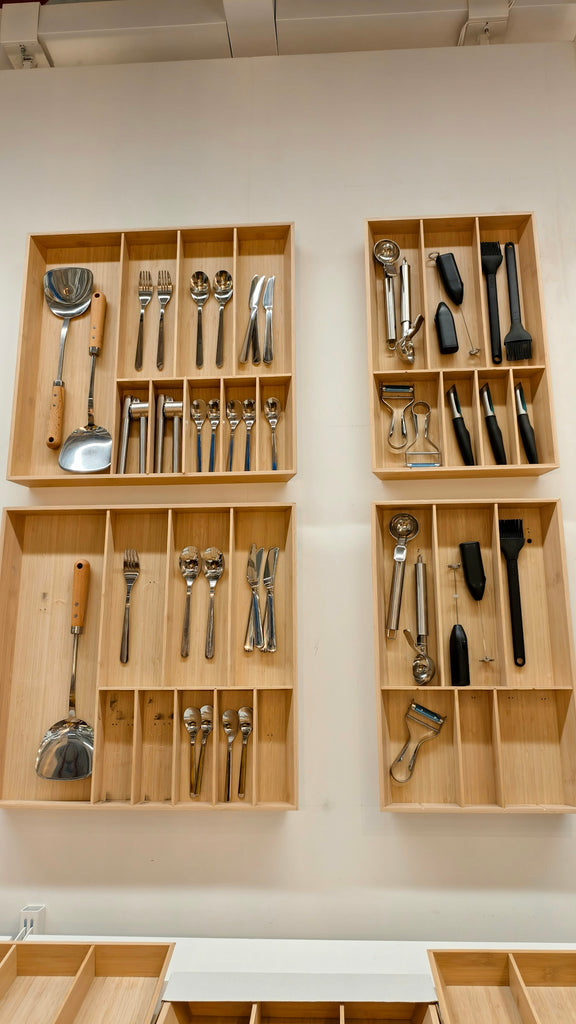
- Adjustable drawer dividers for slim boards and flexible mats
- A cabinet-door holder for small kitchens with limited drawer space
- A non-slip shelf liner to keep boards from shifting
- A drying rack that lets washed boards air out before storage
For an even more functional setup, place your cutting boards near the tools you use alongside them: knives, peelers, colanders, and food-prep essentials. Kitchen Canvas is built around these kinds of practical improvements - the simple tools and organizers that help everyday cooking move along with less clutter and less effort.
Your cutting boards should not be the item you wrestle with before dinner. Give them a dry, dedicated home close to where you prep, and putting them away becomes one less task to think about.
Related post
15
Oct


