

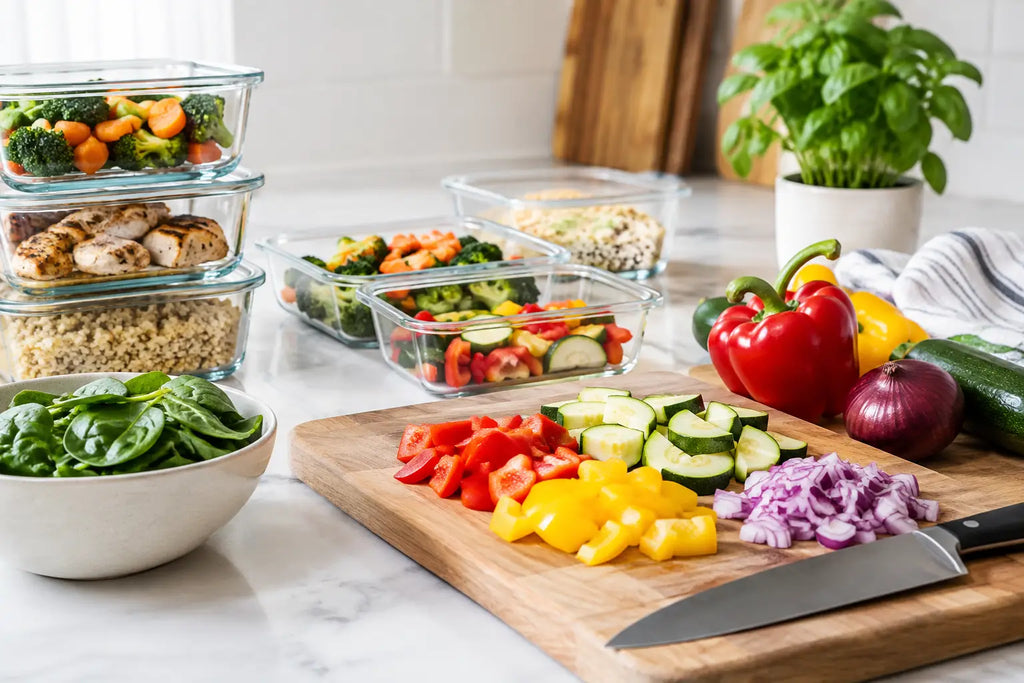
Food Prep Guide for Easier Weeknight Cooking
The 6:15 p.m. question is rarely, “What do I want to cook?” It is usually, “What can I make before everyone is hungry?” A practical food prep guide is not about spending an entire Sunday filling identical containers. It is about setting up your ingredients, tools, and kitchen so dinner feels possible on a busy Tuesday.
A better prep routine can mean cleaner produce, less countertop clutter, fewer forgotten ingredients, and faster cooking when time is short. The goal is simple: do a little of the repeat work ahead of time, then make the final meal fresh when you are ready to eat.
Start Your Food Prep Guide With Your Real Week
The most useful prep plan fits the way you actually live. If you enjoy cooking every night, your prep may be as simple as washing vegetables and keeping your spices organized. If evenings are packed with work, school pickups, or activities, pre-chopped ingredients and ready-to-cook proteins may save the day.
Before buying a long list of groceries, look at your calendar and choose three or four meals that share ingredients. A bell pepper can work in tacos, grain bowls, and a stir-fry. Fresh herbs can brighten roasted chicken one night and pasta the next. Planning this way keeps your cart focused and helps reduce food waste.
It also helps to decide what you will prep and what you will leave alone. Some foods hold up beautifully for days, while others are better prepared just before cooking. Hardy vegetables such as carrots, broccoli, cauliflower, and cabbage are good candidates for washing and cutting ahead. Delicate greens, avocados, apples, and herbs need a little more care and may be best handled closer to mealtime.
Build a Prep Station That Works Harder
Food prep gets frustrating when every step requires hunting through a drawer or clearing a crowded sink. A small setup change can make a noticeable difference. Start with a clear section of counter space, a stable cutting board, a sharp knife, and a bowl or tray for scraps. Keep a colander nearby for rinsing and draining produce instead of balancing vegetables in the sink.
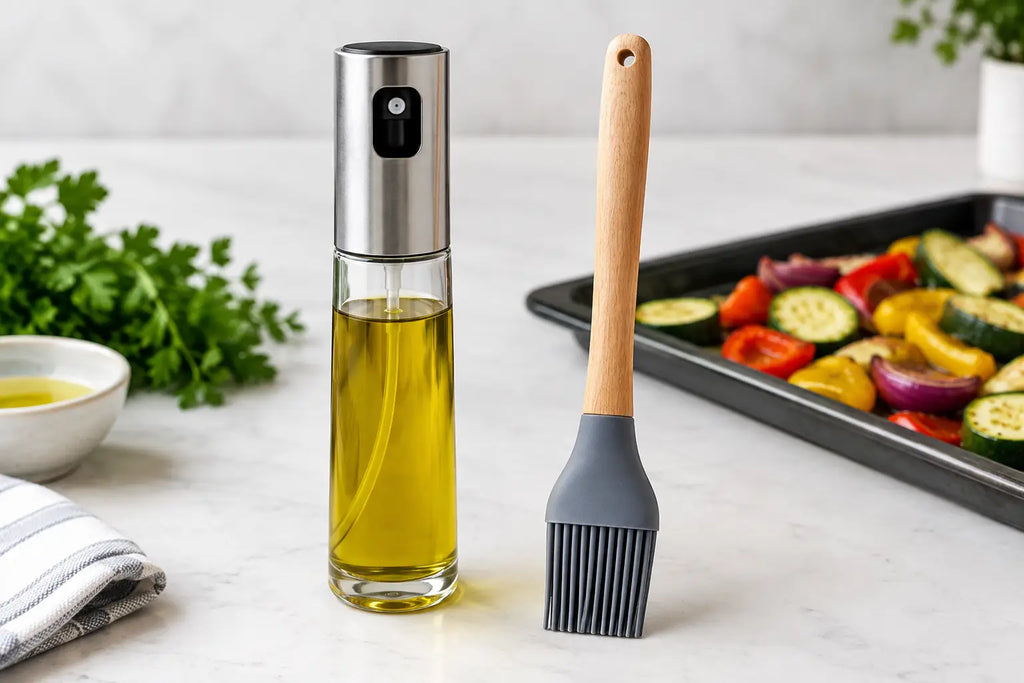
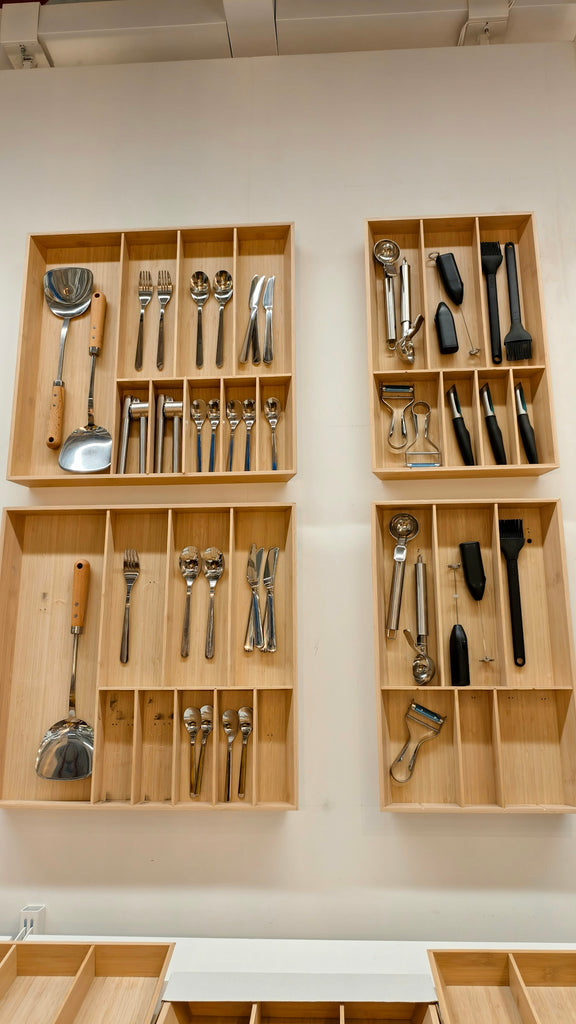
The right tools should solve a specific everyday problem, not create another item to store. A garlic press can cut down on sticky fingers and knife work when a recipe needs a quick burst of flavor. An oil sprayer gives you more control when coating vegetables or pans. An electric grinder keeps salt and pepper ready at the table and during cooking, while a compact spice rack makes it easier to see what you have before buying duplicates.
Think in terms of small friction points. If rinsing berries feels messy, use a produce-washing tool or a fine colander. If your sink collects bits of food after every prep session, a drain strainer keeps cleanup from becoming the next chore. Kitchen Canvas focuses on these practical upgrades because a more useful kitchen is usually built one everyday task at a time.
Keep Raw and Ready-to-Eat Foods Separate
Clean prep also means smart food safety. Wash your hands before and after handling raw meat, poultry, seafood, or eggs. Use separate cutting boards when possible, or fully wash and sanitize the board between tasks. Keep raw proteins on a lower refrigerator shelf so juices cannot drip onto produce or cooked foods.
Do not rinse raw poultry in the sink. The splashing water can spread bacteria around nearby surfaces. Instead, cook it to the appropriate temperature and clean any tools, handles, or countertops it touched.
Wash, Dry, and Store Produce the Smart Way
Washing produce right after shopping can make healthy choices far easier to reach. Rinse fruits and vegetables under cool running water, rubbing firm items such as potatoes, cucumbers, and apples gently with your hands or a clean produce brush. You do not need soap or household cleaners for produce.
Drying matters more than many people realize. Excess water can make salad greens wilt faster and leave cut vegetables slippery in storage containers. A clean kitchen towel, salad spinner, or thorough air-dry on a tray can help. Once dry, store produce based on how you plan to use it.
For example, wash and dry greens, then keep them with a dry paper towel in a container to help manage moisture. Slice peppers, carrots, and celery into snackable pieces and store them where they are easy to see. Keep berries dry until you are ready to eat them if they tend to spoil quickly in your kitchen. There is no single perfect rule for every household, so let your family’s habits guide the system.
Prep in Layers, Not in One Giant Session
You do not have to finish everything at once. A 20-minute reset after grocery shopping can cover produce washing, pantry organization, and checking what needs to be used first. Another 15 minutes before dinner can handle chopping, seasoning, and cooking.
This layered approach is especially helpful if a full meal-prep day sounds exhausting. It gives you the convenience of prepared ingredients without committing to meals you may not feel like eating three days later. Flexibility is part of a good system.
Chop for More Than One Meal
When you have the cutting board out, prepare ingredients with multiple uses in mind. Dice one onion for tonight’s sauce and slice another for tomorrow’s fajitas. Chop broccoli for a sheet-pan dinner, then reserve the stems for a soup or stir-fry. Grate cheese once and use it across a few meals rather than pulling out the grater every night.
The trade-off is freshness. Cut produce can lose texture more quickly than whole produce, so only prep the amount you expect to use within a few days. For longer storage, keep vegetables whole and simply wash them ahead of time.
Portioning can also make cooking calmer. Divide proteins into meal-size portions before refrigerating or freezing, label them with the date, and thaw only what you need. Keep marinades simple: oil, an acid such as lemon juice or vinegar, salt, pepper, garlic, and a favorite seasoning blend can carry a meal a long way.
Make Seasoning Easy to Reach
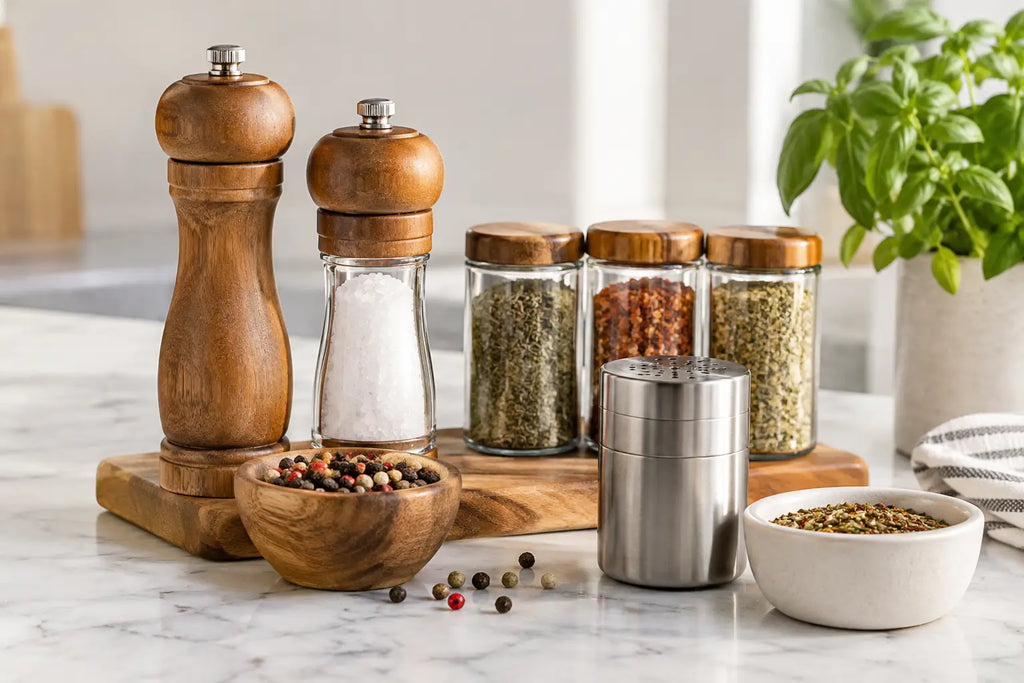
A meal can be made from basic ingredients and still feel exciting when seasoning is easy. Instead of keeping spices scattered across a cabinet shelf, group your most-used options together. Salt, pepper, garlic powder, onion powder, smoked paprika, Italian seasoning, chili flakes, and cumin cover a surprising number of weeknight meals.
You can create a few repeatable flavor directions without measuring a new blend every time. Use lemon, garlic, and herbs for chicken or vegetables; cumin, paprika, and chili for tacos; or olive oil, pepper, and grated cheese for simple pasta. An organized spice rack and easy-to-use grinder help turn seasoning from an afterthought into a quick final step.
End Every Prep Session With a Five-Minute Reset
The best food prep routine is one you want to repeat. Before you sit down, rinse tools, clear scraps into the trash or compost, wipe the counter, and empty the sink strainer. Put ingredients back where you will find them tomorrow. That small reset prevents your next meal from starting with a mess.
You do not need a chef-sized kitchen or an all-day plan to make food prep work. Start with one easier habit, one tool that solves a genuine annoyance, and one meal you will be glad to have halfway ready when the day gets busy.
Related post
15
Oct


