


Best Leakproof Food Storage Lids for Busy Kitchens
A container of chili tipping over in the refrigerator can turn a simple meal-prep win into a sticky cleanup project. The best leakproof food storage lids keep sauces, chopped produce, leftovers, and packed lunches contained, so your kitchen stays cleaner and your food stays where it belongs.
The right lid is not always the one with the most parts or the tightest-looking latch. It is the one that matches your containers, seals evenly, and is easy enough to use every day. Whether you are storing half an onion, packing a grain bowl, or organizing a week of leftovers, a dependable lid is one of those small kitchen upgrades that makes a real difference.
What Makes a Food Storage Lid Truly Leakproof?
A leakproof lid needs more than a snug fit. It needs consistent contact around the entire rim of the container. That contact creates the seal that keeps liquids from slipping out when a container is moved, stacked, or turned on its side.
Look first at the lid's sealing edge. Flexible silicone or rubber gaskets are especially helpful because they compress against the container rim, filling in tiny gaps that hard plastic alone may miss. A well-designed gasket should sit securely in its channel instead of twisting, bunching, or falling out during washing.
The container matters just as much as the lid. A lid made for one container shape may not seal properly on another, even when it seems close in size. Warped plastic rims, chipped glass, and containers with grooves or uneven edges can all compromise the seal. For reliable storage, use matching lids and containers whenever possible.
Finally, think about how the lid closes. Snap-lock tabs can add security for soups, dressings, and sauces, while press-on lids are quick and convenient for dry foods and everyday leftovers. Neither style wins in every situation. The better choice depends on what you store and how often you need to open it.
The Best Leakproof Food Storage Lids Start With Your Routine
There is no single best option for every kitchen. A household that packs lunches every morning needs a different setup than someone who stores large-batch soups or wants to cover bowls after dinner. Start with the foods that tend to create the most mess in your refrigerator, pantry, or lunch bag.
For soups, sauces, and prepared meals
Choose rigid lids with a full silicone gasket and secure locking tabs. This style is designed for containers that may get jostled in a bag or stacked in the refrigerator. It is a smart choice for marinara, salad dressing, overnight oats, stews, and marinated proteins.
Check that the tabs feel firm without requiring a struggle to close. If a lid is too stiff, it becomes frustrating during rushed meal prep. If it closes too easily, it may not offer the dependable seal you need. A good lid gives a clear, confident click and sits flat all the way around.
For cut produce and quick leftovers
Flexible silicone stretch lids can be wonderfully useful for covering bowls, cans, and containers that have lost their original lid. They work best when stretched over a smooth, dry rim and can help reduce the need for disposable wrap.
Their trade-off is that fit matters even more. A stretch lid may be splash-resistant and refrigerator-friendly without being the right choice for transporting a bowl of soup. Use it for cut fruit, leftover side dishes, or an opened can in the fridge, but reserve more structured lids for liquids on the go.
For meal-prep containers
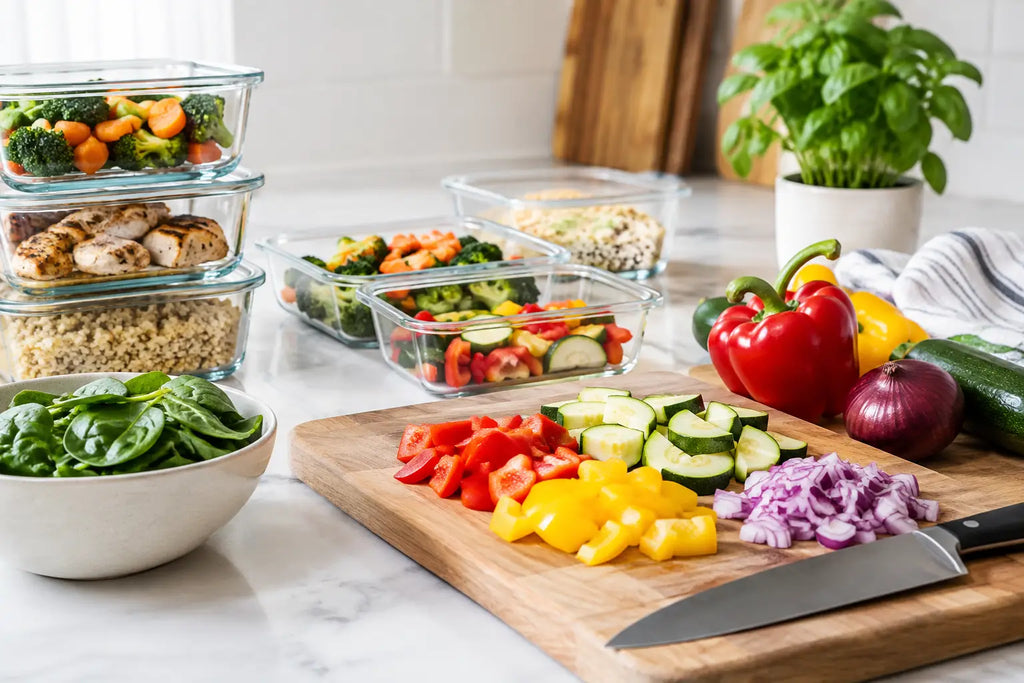
For planned lunches and ready-to-reheat dinners, prioritize lids that are easy to identify, stack, wash, and replace. Clear or color-coded tabs can make it faster to match each lid with its container. Flat, stackable designs also make a crowded refrigerator look calmer and more organized.
If you reheat food in the microwave, check the manufacturer's guidance and use any venting feature correctly. Even microwave-safe lids should not be treated as airtight during heating. A little ventilation helps steam escape and keeps pressure from building up.
For mixing bowls and serving dishes
Universal bowl covers are a simple way to keep food fresh between preparation and serving. They are ideal for covering pancake batter, pasta salad, washed berries, or a dish headed to the fridge before guests arrive. Choose covers with enough elasticity to grip the bowl without slipping.
These are convenience lids, not necessarily travel lids. If you are bringing a dish to a picnic or potluck, place it in a container with a locking seal or keep it level in a carrier. A lid can be secure in the refrigerator and still shift during a bumpy car ride.
Materials That Make Everyday Storage Easier
Food storage lids usually come down to silicone, plastic, glass-container lids with gaskets, or a combination of these materials. The best material is the one that suits your daily habits and is easy to maintain.
Silicone is flexible, durable, and useful across different shapes. It is a great choice for stretch lids, bowl covers, and gasket seals. Because it bends, it can create close contact with container rims. It can also hold onto odors if not washed thoroughly, especially after storing strongly seasoned foods.
Hard plastic lids are lightweight and convenient for everyday containers. They are often the most affordable way to build a practical storage system, especially when paired with matching stackable containers. Look for sturdy construction and avoid forcing them onto containers that are not an exact match, which can cause warping over time.
Glass containers paired with gasketed plastic lids offer a polished, practical setup for leftovers and meal prep. Glass resists stains and food odors, and it can move from refrigerator to table with a clean look. The lid is still the part doing the sealing, so inspect the gasket and locking tabs regularly.
Small Design Details Worth Checking
When comparing food storage lids, the details determine whether they become kitchen favorites or clutter in the cabinet. A few thoughtful features can save time every single week:
- Raised tabs or easy-grip edges make lids simpler to remove without bending or spilling food.
- Removable gaskets allow deeper cleaning, especially after storing oily sauces or dressings.
- Flat tops create a stable surface for stacking containers in the refrigerator.
- Clearly marked sizes reduce the familiar search for the one lid that fits.
- Dishwasher-safe construction makes the system easier to keep in regular rotation.
How to Test a Lid Before You Trust It
A quick water test can tell you a lot. Fill the container partway with water, close the lid according to its instructions, and gently turn it upside down over the sink. Do not shake it aggressively at first. Watch for drips around the rim, corners, and locking tabs.
If the lid leaks, check for crumbs, moisture, or food residue along the container rim. Even a small piece of rice or a drop of oil can interrupt the seal. Clean and dry both surfaces, then try again. If the problem continues, the lid may be warped, the gasket may be out of place, or the container and lid may simply not be compatible.
For lunch bags, add one more test: place the filled container on its side for several minutes. This is closer to the real-life challenge of a commute, school day, or busy errand run. A lid that passes this test earns a much more trusted spot in your food storage routine.
Care Tips That Protect the Seal
Leakproof performance can fade when lids are not cleaned and stored carefully. Wash gasket channels thoroughly, and let lids dry completely before stacking them away. Trapped moisture can create odors and make silicone surfaces feel tacky.
Avoid using sharp utensils to pry open lids or scrape off stuck food. This can nick the sealing edge and create a tiny gap that turns into a future leak. If a gasket stretches, cracks, or no longer sits flat, replace it when possible rather than expecting it to seal like new.
A smart storage setup does not need to be complicated. Keep a small collection of dependable containers for liquids, versatile covers for bowls and produce, and matching lids that are easy to grab. With the right pieces close at hand, leftovers become tomorrow's easy lunch instead of another thing to clean up.
Related post
15
Oct


