


Freezer Container Picks for a More Organized Kitchen
That stack of mystery leftovers in the back of the freezer is not a meal plan. The right freezer container picks turn batch cooking, weeknight dinners, and make-ahead lunches into something far easier to manage. You do not need a cabinet full of matching containers to get there - just a few smart shapes, reliable lids, and sizes that fit the way your household actually eats.
A better freezer setup helps food stay protected from freezer burn, makes portions easier to grab, and clears visual clutter from one of the hardest-working spaces in the kitchen. Whether you freeze soups, sauces, chopped produce, family-size meals, or the occasional leftover, choosing containers with purpose makes every future meal feel more convenient.
Start With What You Freeze Most Often
The best container is not always the biggest or the most expensive one. It is the one that suits the food you are freezing and fits neatly into your available space. Before adding anything new, think about the meals that routinely end up in your freezer.
If you make chili, pasta sauce, broth, or smoothie ingredients, you need containers that handle liquids without leaks. If you freeze cooked grains, taco meat, vegetables, or single servings of leftovers, smaller portion-friendly options will make more sense. Families who prep casseroles may prefer larger rectangular containers that can go from freezer to oven, while households with limited freezer space often get better results from stackable, uniform shapes.
This simple check keeps you from buying a beautiful set that looks organized in a cabinet but does not work for your real cooking routine.
Freezer Container Picks by Everyday Use
Stackable rectangular containers for meal prep
Rectangular containers are a practical starting point because they make the most of shelf space. Unlike round bowls, they sit flush against one another and create tidy rows that are easy to see. Choose containers with straight sides and flat lids so they stack securely without sliding around when you pull one out.
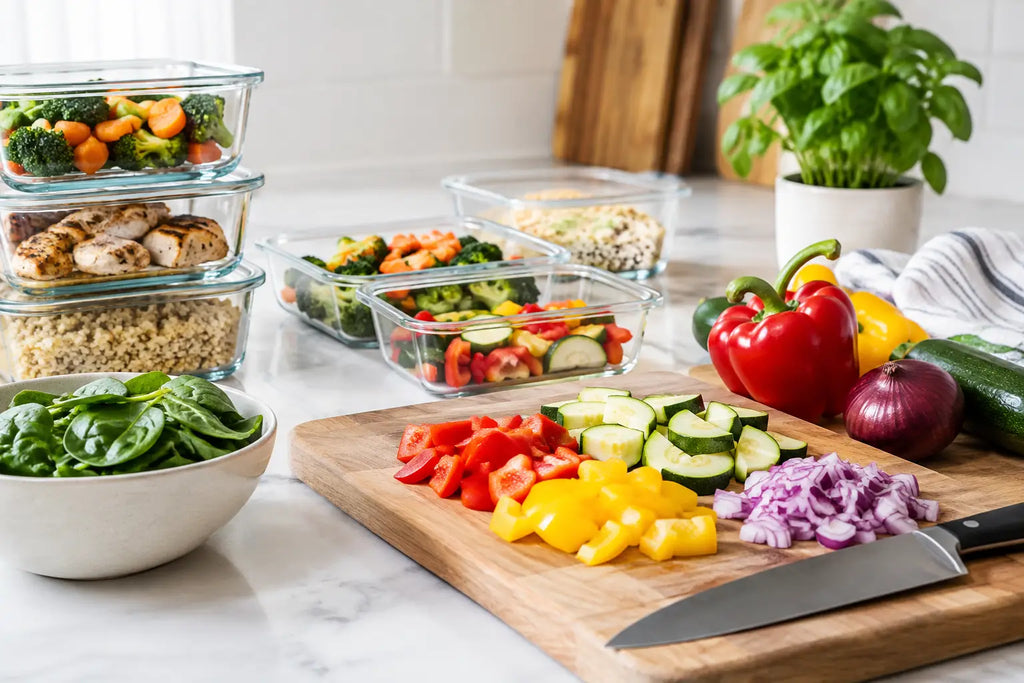
Medium rectangular containers are especially useful for cooked chicken, rice, roasted vegetables, pasta bakes, and two-serving leftovers. They offer enough room for a real meal without leaving a large air pocket around the food. Less empty air means better protection from freezer burn and fewer containers that get forgotten before they are used.
For a more polished freezer, stick to one or two compatible container lines rather than collecting random shapes. Matching dimensions make stacking simpler, and matching lids spare you the hunt through an overflowing drawer.
Small containers for sauces, toppings, and single portions
A freezer stocked only with large containers can be surprisingly inconvenient. Small containers earn their place by keeping ingredients ready in the portions you use most. Think pesto, tomato paste, homemade salad dressing, grated ginger, chopped herbs in oil, baby food, or an extra scoop of soup for a quick lunch.
They also make leftovers feel less repetitive. Freeze extra taco filling, curry, or pulled chicken in individual portions, then pair it with a fresh grain, tortilla, or salad later in the week. Instead of defrosting a family-size container when you only need one serving, you can take exactly what you need.
Look for small containers with lids that seal firmly but are still easy to open. A lid that requires a struggle is not much help when you are trying to pack lunches on a busy morning.
Glass containers for reheating with less dishwashing
Glass freezer containers are a smart pick for people who like to freeze, thaw, and reheat food in the same dish. They are ideal for cooked meals, lasagna portions, baked oatmeal, and leftovers you plan to warm in the microwave or oven. They also resist stains and lingering odors, which is helpful for tomato-based sauces and flavorful meals.
The trade-off is weight. Glass takes up more room and feels heavier than plastic, especially when you are pulling out several meals at once. It can also be less forgiving if dropped. For that reason, glass often works best as part of a mixed system: use it for prepared dishes and sturdy leftovers, then rely on lighter containers for everyday ingredients and bulk storage.
Always leave space at the top when freezing liquids in glass. Soups and sauces expand as they freeze, and overfilling can put unnecessary pressure on the container.
Flexible silicone containers for tight spaces
Silicone freezer containers can be useful when flexibility matters. They are lightweight, reusable, and often easy to fit into narrow freezer gaps. Some collapsible designs also take up less cabinet space when empty, which is a helpful feature in smaller kitchens.
These are especially handy for snacks, fruit, chopped vegetables, and smaller portions. Silicone is not always the best choice for very liquid foods unless the lid is exceptionally secure, so check the seal and keep containers upright until frozen. A flexible container that bends is convenient in storage, but it can be less pleasant to carry across the kitchen full of soup.
Freezer-safe bags for flat, space-saving storage
Containers are not the only answer. For soups, marinades, sauces, shredded cheese, and bulk ingredients, freezer-safe bags can be one of the most efficient choices. Filled bags can be laid flat to freeze, then stored vertically like files once solid. This approach creates a clean, easy-to-scan system and frees up valuable shelf space.
The key is portioning before freezing. A large bag of sauce may save space, but it does not save time if you have to thaw all of it for one dinner. Divide food into meal-size amounts, press out excess air, and label each bag before it goes into the freezer.
Reusable freezer bags are worth considering if you want to reduce disposable plastic. They can be durable and useful, though they do require thorough drying before reuse. If you prefer the easiest cleanup possible, disposable bags may still be the better fit for especially messy foods.
Features That Make Freezer Storage Work Better
Not every container labeled freezer-safe delivers the same everyday convenience. A reliable seal is the first feature to prioritize. It helps prevent leaks and reduces exposure to air, which is one of the main causes of freezer burn. Snap-lock lids, silicone gaskets, and tightly fitted covers can all work well, as long as they close evenly around the entire rim.
Stackability matters just as much. Containers with flat, stable lids prevent the leaning-tower effect that makes freezer shelves frustrating. Clear sides are also helpful because they let you identify food at a glance. Opaque containers can still work, but only if you are committed to clear labels.
Choose materials based on how you will use them. BPA-free plastic is lightweight, affordable, and convenient for everyday portions. Glass is a great option for reheating and stain resistance. Silicone adds flexibility and can save cabinet space. There is no single winner for every kitchen, which is why a small mix of materials often works better than one oversized set.
Make Labels Part of the Container System
Even the best freezer container picks cannot rescue unlabeled food. A simple label turns a container from a question mark into a ready-to-use meal. Write the contents, date, and, when useful, the number of portions. “Chicken tortilla soup - 2 servings - March 4” gives you far more useful information than “soup.”
Place labels where they are easy to read when containers are stacked. For bags stored upright, label the top edge. For containers, label the lid and, if possible, the side. Use a freezer-safe marker or removable freezer labels so the writing stays clear through cold temperatures and condensation.
It also helps to create a first-in, first-out habit. Keep newer meals behind older ones, and place foods you plan to use soon at eye level. This small routine reduces waste without requiring a detailed inventory spreadsheet.
Avoid These Common Freezer Storage Mistakes
Overfilling is one of the most common problems, especially with soups, stews, and sauces. Leave a little headspace so food can expand without forcing up the lid or cracking a container. On the other hand, leaving too much empty space can expose food to more air. Aim for a comfortable margin at the top, not a half-empty container.
Another mistake is freezing warm food immediately in a tightly packed stack. Let cooked food cool slightly first, then refrigerate it promptly before moving it to the freezer. This helps protect food quality and prevents warm containers from raising the temperature around nearby frozen items.
Finally, avoid choosing containers only because they fit in a drawer. A storage system should make future cooking easier. If a size is awkward to stack, difficult to open, or always too large for your portions, it is taking up space without doing much work for you.
A well-organized freezer does not need to look like a showroom. Start with a few containers that match your favorite meals, label them clearly, and give every portion a place. The next time dinner needs to happen quickly, you will be glad your freezer is working with you.
Related post
15
Oct


