A Premium Cookware Collection That Works Harder
A pan that heats unevenly can turn a simple Tuesday dinner into a frustrating cleanup project. A crowded cabinet full of mismatched pieces is not much better. A premium cookware collection should make everyday cooking feel easier: more reliable heat, comfortable handling, less sticking, and tools you reach for without thinking twice.
That does not mean filling your kitchen with expensive pieces you rarely use. The best collection is built around your actual routine, whether that means quick eggs before work, a one-pan pasta night, weekend pancakes, or a big pot of soup for the family. Quality is about useful performance, not a cabinet full of cookware just for show.
What Makes Cookware Feel Premium?
Premium cookware earns its place through the details you notice meal after meal. It should sit flat on the burner, distribute heat consistently, feel balanced in your hand, and stand up to regular use. A lid that fits well, a handle that stays comfortable, and a surface that cleans without a long soak all make a real difference when dinner is already running late.
Materials matter, but there is no single best choice for every task. Stainless steel is a dependable all-purpose option for browning, sautéing, and building flavor. Nonstick cookware makes delicate foods like eggs, fish, and pancakes far less fussy. Cast iron holds heat beautifully for searing and oven cooking, while hard-anodized aluminum is valued for quick, even heating with a lighter feel.
The trade-off is simple: every material asks for something different. Stainless steel may need a little more oil and patience while preheating. Nonstick should be treated gently and used with utensils that will not scratch the surface. Cast iron needs seasoning and proper drying. Choosing with those realities in mind is smarter than chasing one material for every job.
Look Beyond the Finish
A polished exterior can look beautiful on a shelf, but day-to-day design is what creates value. Check for securely attached handles, well-fitted lids, and enough weight to feel stable without becoming difficult to lift. If you cook on induction, confirm that each piece is compatible before adding it to your kitchen.
Also think about your storage. A generous stockpot is helpful for pasta, broth, and batch cooking, but it should fit where you plan to keep it. Nesting pieces, stackable lids, and a thoughtfully sized set can keep a hardworking kitchen feeling organized instead of overfilled.
Build a Premium Cookware Collection Around Your Meals
Start with the pans that solve your most frequent cooking jobs. For many homes, a medium nonstick skillet, a larger skillet or sauté pan, a saucepan, and a stockpot cover the majority of the week. Add specialty pieces only when your cooking habits call for them.
A nonstick skillet is often the piece people use most. It handles scrambled eggs, grilled cheese, quesadillas, and quick vegetable sautés with less oil and easier cleanup. A larger skillet gives you room to brown chicken, cook a family-size stir-fry, or finish a sauce without spills. If you regularly make sauces, grains, oatmeal, or small batches of soup, a saucepan with a lid is a quiet kitchen essential.
A stockpot becomes especially useful when you want more than one meal from a cooking session. Think spaghetti night, chili, corn on the cob, or a big pot of chicken noodle soup. It is also a practical partner for a colander, helping you drain pasta or rinse produce with less mess at the sink.
Before purchasing a set, ask a more useful question than, “How many pieces do I get?” Ask, “Will I use each piece at least once a month?” A large set can be a great value for a new home or an empty kitchen. But if it includes several tiny saucepans or oversized pans that do not match your meals, a smaller, more focused collection will serve you better.
A Simple Starter Mix
For a kitchen that needs dependable coverage without excess, prioritize these four cookware categories:
- A nonstick skillet for breakfast, delicate foods, and quick cleanup
- A stainless steel or hard-anodized skillet for browning and everyday dinners
- A lidded saucepan for sauces, grains, vegetables, and reheating
- A stockpot for pasta, soup, batch cooking, and crowd-friendly meals
Match the Pan to the Cooking Task
Using the right piece can improve results before you change a single recipe. Reach for stainless steel when you want a deep sear on chicken, steak, mushrooms, or vegetables. Those browned bits left in the pan can become the base of a flavorful sauce with a splash of broth, wine, or lemon juice.
Use nonstick when release matters most. Eggs, crepes, flaky fish, and sticky sauces are easier to manage when the surface is designed to let food slide. Keep the heat moderate when possible. High heat can shorten the life of many nonstick coatings, and a medium setting is usually enough for the foods people cook in these pans.
Choose a deeper sauté pan when you need room to stir without splattering. It is ideal for skillet meals, creamy pastas, curry, and recipes that start on the stovetop and finish with a lid. A wide pot or Dutch oven can be a better choice for braises, soups, and sauces that benefit from steady, gentle heat.
This is where a practical collection becomes more useful than a one-material collection. You do not need duplicates of every size in every finish. You need a few reliable options that make the meals you cook easier to prepare.
Care That Keeps Cookware Looking and Cooking Better
Even durable cookware benefits from simple habits. Let hot pans cool briefly before washing them. Moving a very hot pan straight under cold water can cause warping over time, especially with lighter materials. Use a soft sponge for nonstick surfaces, and avoid metal utensils unless the manufacturer specifically says they are safe.
With stainless steel, preheating is your friend. Warm the pan for a minute or two, add oil, then add food once the oil moves easily across the surface. This helps reduce sticking and encourages more even browning. If food does stick, a short soak and gentle scrub are usually more effective than aggressive scouring.
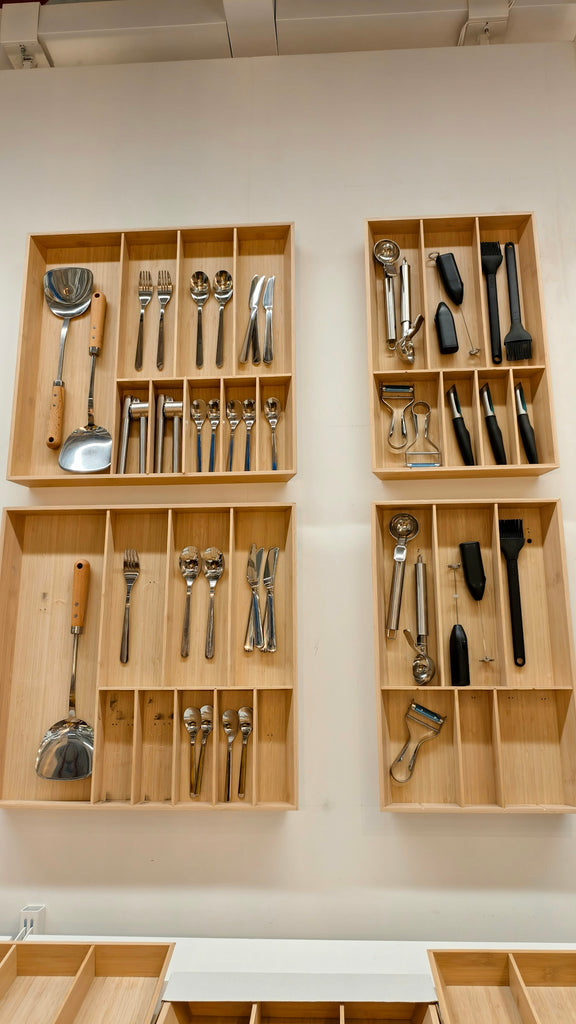
Storage matters, too. If you stack pans, place a soft pan protector, towel, or liner between surfaces to prevent scratches. Keep lids organized so you can find the right one quickly. Small changes at the cabinet level can make cooking feel calmer before you even turn on the stove.
Make Quality Feel Attainable
A premium kitchen does not have to be built all at once. Start with the pan that frustrates you most. Maybe it is the skillet that sticks every morning, the warped pot that rocks on the burner, or the tiny saucepan that cannot handle a family-sized portion. Replacing that piece with a durable, well-designed upgrade can make an immediate difference.
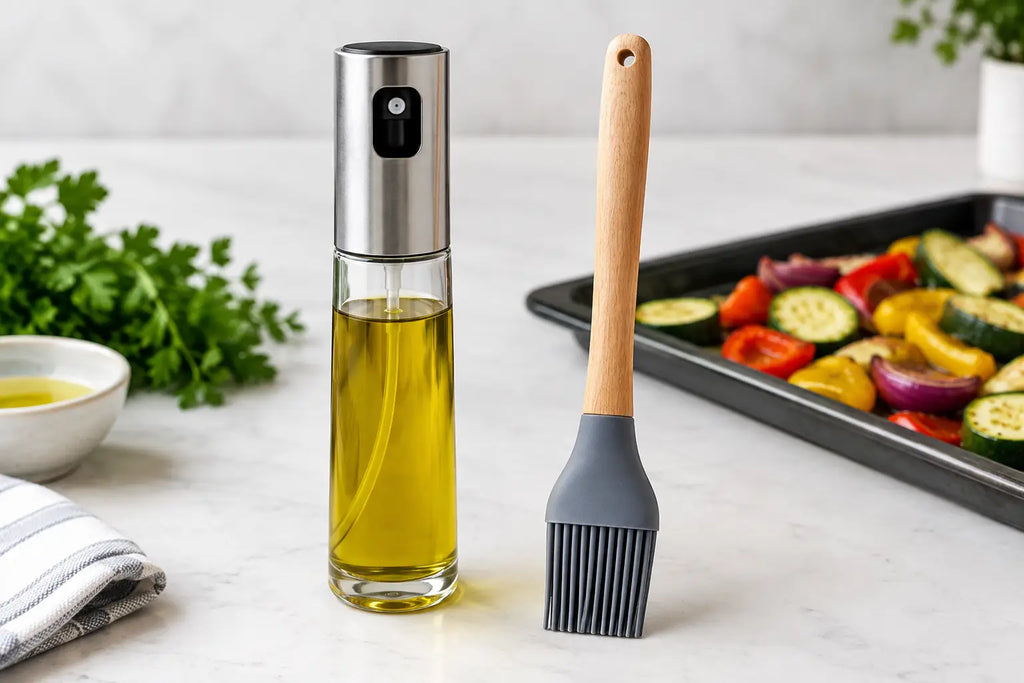
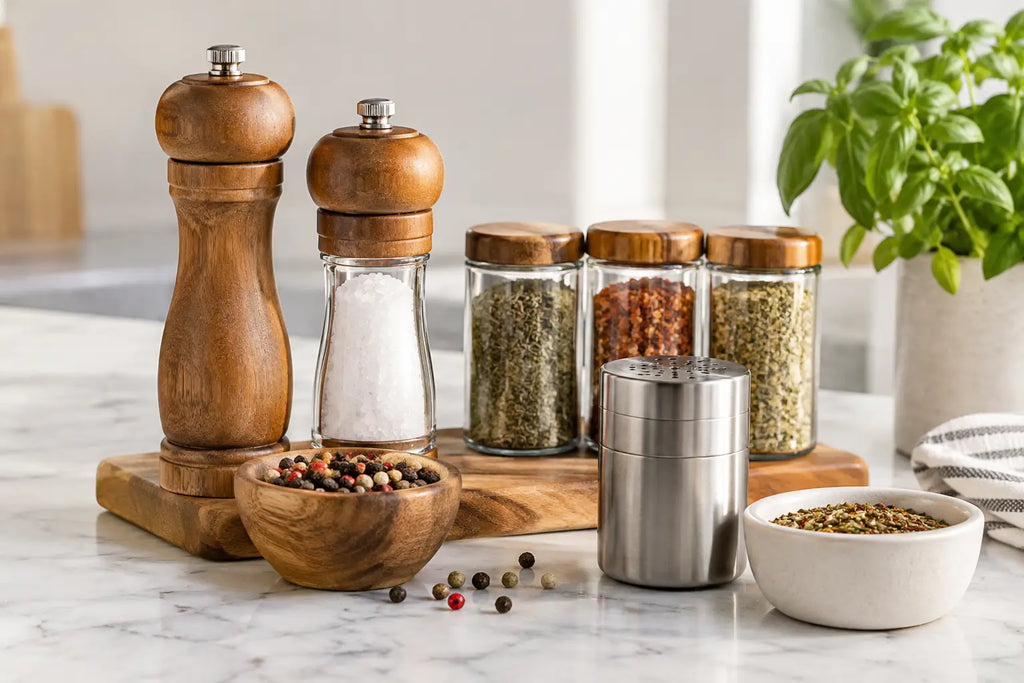
Then build gradually around your routine. Add a versatile pan for weeknight meals, a larger pot for batch cooking, and prep tools that make the work around the stove smoother. A reliable garlic press, oil sprayer, electric grinder, colander, or organized spice rack can be just as helpful as a new pan because they remove small points of friction from the meal.
The goal is not to cook like a restaurant chef. It is to create a kitchen that supports the way you live: easier breakfasts, more confident dinners, cleaner counters, and fewer tools taking up space without earning it. Choose cookware that feels good to use, care for it well, and let each practical upgrade make your next meal a little more enjoyable.
Related post
22
Oct