


How to Choose an Olive Oil Sprayer Bottle
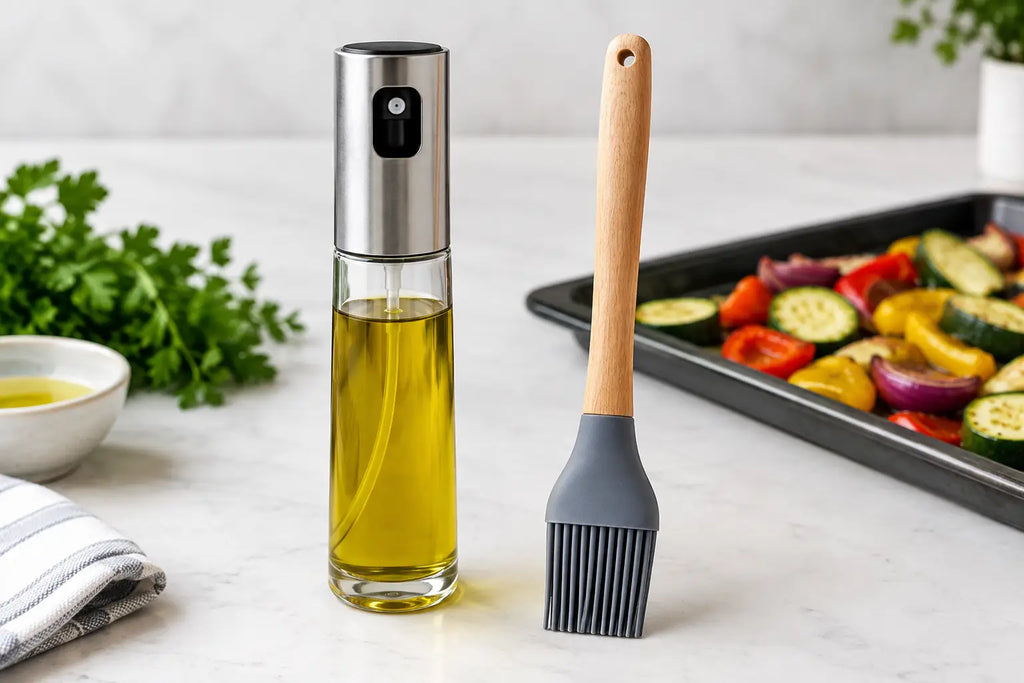
A roasting pan with puddles of oil, a slippery bottle cap, and a recipe that calls for just a light coating - this is exactly where an olive oil sprayer bottle earns its place on the counter. It gives you more control than pouring straight from the bottle, helping food brown evenly without using more oil than the meal needs.
For everyday cooks, the appeal is simple: a quick mist for vegetables, a light layer on the air fryer basket, or an even coat on a skillet before eggs hit the pan. It is a small kitchen upgrade, but one that can make high-frequency cooking tasks feel tidier, faster, and more intentional.
Why an Olive Oil Sprayer Bottle Is Worth Using
Olive oil adds flavor, supports crisping, and keeps food from sticking. The challenge is that a standard pour spout can be hard to control, especially when you only need a little. One extra second of pouring can turn a light coating into a heavy layer that pools at the bottom of the pan.
An olive oil sprayer bottle distributes oil across a wider area in a fine, controlled spray. That is useful for sheet-pan vegetables, grilled sandwiches, baking pans, salad greens, and proteins that need a thin coating before seasoning. It can also help keep the rim of your oil bottle, countertop, and cabinet shelf noticeably cleaner.
It is not about removing oil from cooking. Good olive oil is still a welcome part of a flavorful kitchen. The benefit is using the amount that suits the recipe instead of guessing as you pour.
Where It Makes Everyday Cooking Easier
The best kitchen tools solve more than one small problem, and an oil sprayer is especially handy because it moves easily between cooking, baking, and serving.
For air fryer favorites
A light mist helps potatoes, chicken, vegetables, and breaded foods develop better color and texture. Spray food lightly before cooking, then shake or turn it as directed by your recipe. The goal is an even coating, not a wet surface.
For sheet pans and skillets
Before adding vegetables or proteins, mist the pan from a short distance to create a thin nonstick layer. This is often easier than chasing oil around the pan with a brush or paper towel. It also makes it simpler to coat awkward corners of baking dishes and muffin tins.
For salads, bread, and finishing touches
A sprayer is useful beyond the stove. Mist olive oil over salad before tossing, lightly coat sliced bread before toasting, or add a finishing spray to roasted vegetables. For these uses, choose an olive oil you enjoy tasting, since its flavor will be front and center.
What to Look for in an Olive Oil Sprayer Bottle
Not every sprayer performs the same way. A smart choice comes down to how it feels in your hand, how easily it cleans, and whether it produces a consistent spray rather than an unpredictable stream.
A dependable spray mechanism
Look for a sprayer designed to deliver a fine, even mist with a steady press. A bottle that sputters can leave some areas dry and others overly coated, which defeats the point of using it. A comfortable trigger or pump also matters when you are seasoning a full sheet pan or prepping several portions at once.
Spray results can vary with the thickness of the oil and the temperature of your kitchen. Olive oil is naturally more viscous than water, particularly when it is cool. If your sprayer seems less fine on a chilly day, let the bottle sit at room temperature before use rather than forcing the mechanism.
A useful size and clear design
A compact bottle keeps frequently used oil within reach without taking over the counter. If you cook for a larger household or prep meals in batches, a larger capacity may mean fewer refills. Either can work well - the right size is the one you will comfortably lift, refill, and use often.
A clear body makes it easy to see when oil is running low. It also encourages a quick visual check before cooking, so you are not halfway through dinner when the bottle runs empty. If your kitchen gets direct sunlight, store olive oil in a cabinet or shaded spot to help protect its quality.
Materials made for daily use
Choose a bottle made from durable, food-safe materials, with a secure cap and parts that fit together cleanly. Glass can feel polished and lets you monitor the oil level, while sturdy food-grade plastic can be lightweight and practical for busy kitchens. There is no single best material for every home. The important thing is a design that feels stable, easy to handle, and simple to maintain.
A wide opening is another everyday advantage. It makes refilling less messy and gives you better access when it is time to wash the bottle.
How to Fill and Use It for the Best Results
Start with plain olive oil, ideally one that is filtered and free of herbs, garlic pieces, or spice flakes. Infused oils can be delicious, but particles may clog a fine sprayer. If you want extra flavor, spray plain oil first and add dry seasonings directly to the food.
Do not fill the bottle all the way to the top. Leave a little room for pressure and movement inside the container. Wipe the rim after filling, secure the top tightly, and test the spray over a sink or an empty pan before aiming at food.
Hold the bottle several inches from the surface and use short, steady presses. For a sheet pan, spray in a gentle back-and-forth motion, then toss the ingredients with your hands or a utensil for complete coverage. For a skillet, one or two passes are usually enough before heating.
It helps to use the sprayer as the first step in your seasoning routine. Oil gives salt, pepper, and spices something to cling to, so the final dish is more evenly seasoned. For marinades, dressings, or recipes that specifically require a measured amount of oil, use measuring spoons instead. A sprayer is excellent for coverage, but it is not the most precise tool for exact volume.
Simple Care Keeps the Spray Consistent
Oil residue builds up slowly, especially around the nozzle. A quick wipe after use takes seconds and prevents the sticky ring that can develop around caps and triggers. Keep the outside of the bottle clean so it stays pleasant to grab while cooking.
When the bottle is empty, wash it according to its care instructions with warm water and dish soap. Pay close attention to the nozzle, cap, and any small removable parts. Pump clean warm water through the sprayer if the design allows, then let every piece dry fully before refilling. Water left inside can affect the oil and make the spray inconsistent.
If the nozzle starts sputtering, do not assume the bottle is finished. First check for thickened oil, a loose cap, or a small clog around the opening. Cleaning the nozzle and testing it with warm water often solves the issue. Avoid using sharp objects to poke inside, since they can damage the spray mechanism.
A Small Tool That Changes the Routine
An olive oil sprayer bottle will not replace every oil bottle in your kitchen, and it does not need to. You may still want a traditional bottle for dressings, sautéing, and recipes that call for a generous pour. But for quick prep, lighter coatings, and less countertop cleanup, a sprayer is hard to beat.
At Kitchen Canvas, we believe the most satisfying kitchen upgrades are the ones you reach for every day. Keep your sprayer filled, place it near the tools you use most, and let one easy press make weeknight cooking feel a little more polished.
Related post
15
Oct


