


How to Prevent Pan Sticking in Everyday Cooking
A pan that sticks can turn a simple breakfast into a frustrating cleanup job. The good news is that learning how to prevent pan sticking usually comes down to a few small habits: choosing the right pan, giving it enough time to heat, using fat thoughtfully, and resisting the urge to move food too soon.
You do not need restaurant-grade equipment or complicated techniques to get better results. A well-used skillet, a little patience, and the right prep can make eggs, fish, vegetables, pancakes, and proteins far easier to cook and serve.
Why Food Sticks to a Pan
Sticking happens when food forms a bond with the cooking surface before it has had the chance to brown, firm up, or release naturally. Heat is often the biggest factor. Put food into a pan that is too cool, and it can cling. Cook it at a temperature that is too high, and delicate food can burn onto the surface before you can flip it.
Moisture also plays a role. Water creates steam, and steam interferes with browning. That is why damp vegetables, freshly rinsed fish, and cold meat are more likely to stick than food that has been patted dry.
The pan itself matters, too. Nonstick, stainless steel, carbon steel, and cast iron all perform differently. There is no single best choice for every meal. The trick is matching your pan and method to what you are cooking.
Start With a Clean, Smooth Cooking Surface
Before you add heat or oil, take a quick look at your pan. Old food residue, scorched oil, and rough buildup can create tiny sticking points. Even a good nonstick skillet will not perform well when its surface is scratched or coated in burned-on bits.
Wash cookware with warm water, mild dish soap, and a soft sponge after it cools. Avoid abrasive scrubbers on nonstick pans, since they can wear down the coating. For stainless steel, a gentle scrub designed for cookware can help remove stubborn residue without harming the surface.
Cast iron and carbon steel need a different kind of care. Their naturally slick finish comes from seasoning, a thin layer of oil that has been bonded to the pan through heat. If food starts clinging more than usual, the seasoning may need attention. Clean the pan, dry it completely, rub on a very light coat of oil, and heat it according to the cookware maker's care instructions.
Preheat the Pan Before Adding Food
One of the simplest answers to how to prevent pan sticking is to stop rushing the preheat. A pan needs a moment to come up to temperature before food goes in.
For most everyday cooking, preheat over medium or medium-low heat rather than immediately turning the burner to high. High heat can quickly overheat thin cookware and damage a nonstick coating. It can also make oil smoke before your ingredients are ready.
With stainless steel, try a quick water-drop test once the pan has warmed. A small drop of water should bead up and glide across the surface rather than instantly disappearing. At that point, wipe away the water, add oil, and let the oil heat briefly before adding food.
Nonstick pans need a gentler approach. They are excellent for eggs, crepes, and tender foods, but they work best over low to medium heat. Give the pan a short preheat, then add your butter or oil. An empty nonstick pan left over high heat can wear out faster, so keep the process simple and controlled.
Use Enough Oil, Butter, or Cooking Fat
A little cooking fat creates a barrier between food and the pan. It also improves browning, flavor, and texture. The goal is not to drown your ingredients in oil, but to coat the cooking surface evenly.
For eggs, pancakes, and grilled sandwiches, butter can add flavor and help release food beautifully. Because butter can brown quickly, lower heat is your friend. For sautéing vegetables or searing chicken, avocado oil, vegetable oil, or another oil with a higher smoke point may be a better match.
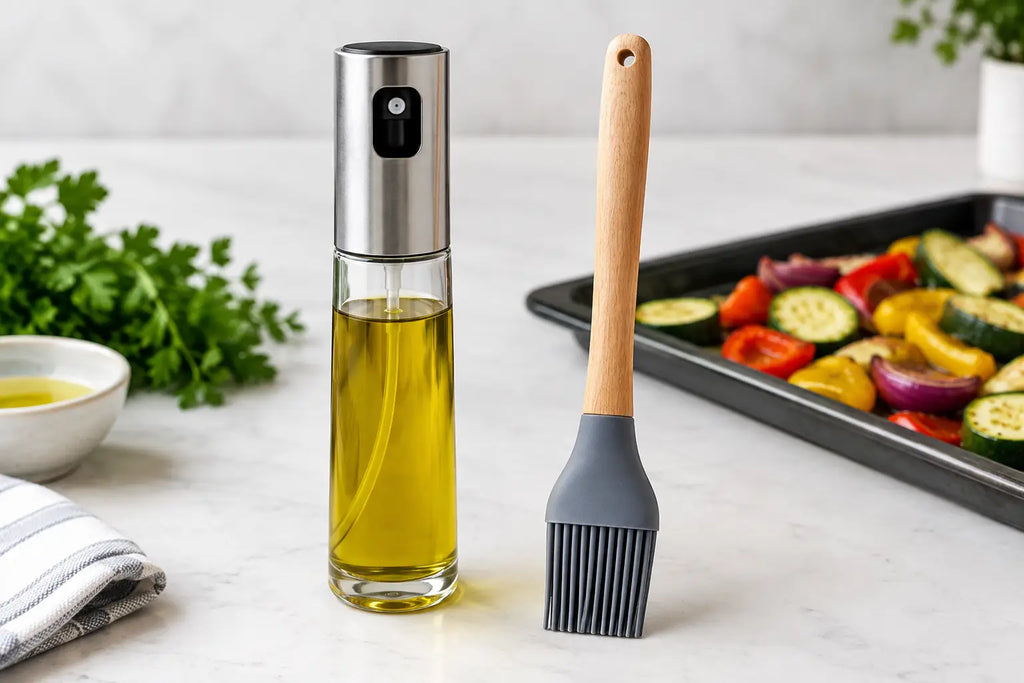
Oil sprayers are especially handy when you want even coverage without pouring too much. A light, consistent mist can coat a skillet, baking sheet, or grill pan in seconds, helping you cook with less mess and more control.
If your oil starts smoking, it has gone too far. Remove the pan from the heat, let it cool slightly, wipe it out carefully, and begin again. Burned oil is more likely to stick and can leave an unpleasant flavor behind.
Dry Ingredients Before They Hit the Pan
Moisture is one of the quietest causes of sticking. When wet ingredients meet hot oil, they steam instead of sear. That can make food pale, soft, and more likely to cling to the pan.
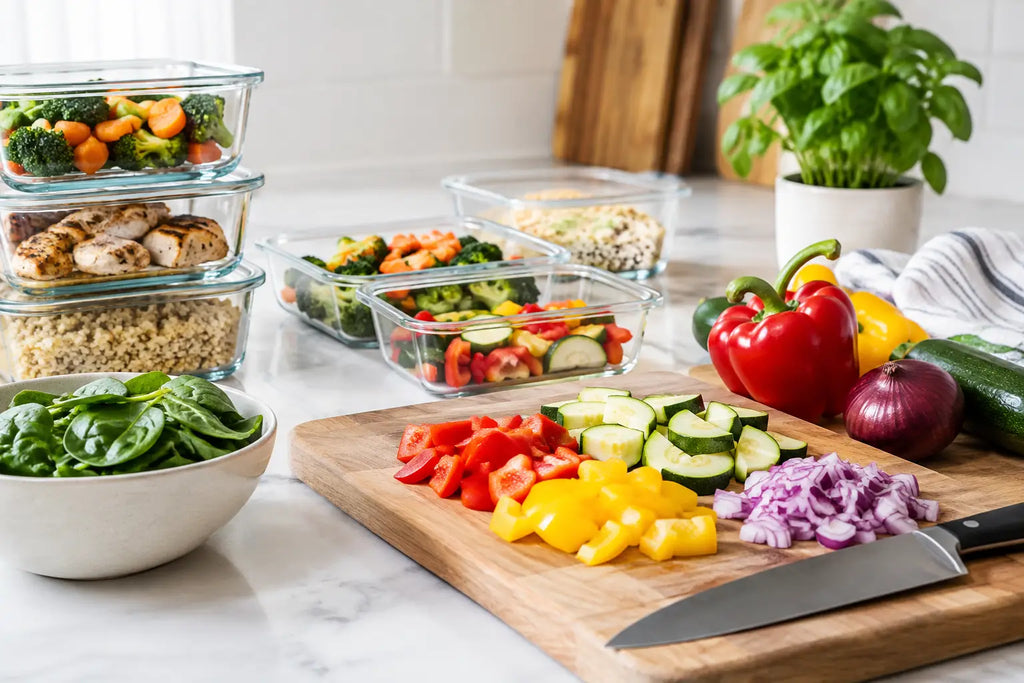
Pat proteins dry with a paper towel before seasoning them. Let washed produce drain well in a colander, then dry it if you want a crisp sauté or roast. This is particularly helpful for mushrooms, zucchini, shrimp, fish fillets, and chicken.
Do not overcrowd the pan, either. A crowded skillet traps moisture and lowers the temperature of the cooking surface. If you are cooking a larger batch of vegetables or browning meat, work in batches. It takes a few extra minutes, but the payoff is better color, easier turning, and fewer stuck-on bits.
Let Food Release Before You Flip It
Many foods stick briefly at first, then release when they are ready. This is especially true with chicken, steak, fish, and vegetables in stainless steel or cast iron.
After adding food, let it cook without poking, scraping, or sliding it around every few seconds. When a proper crust forms, the food will often lift with much less effort. If it resists the spatula, give it another minute and try again.
This does not mean you should ignore your pan. Watch the heat, listen for a steady sizzle, and adjust the burner if things are getting too dark too fast. But patience is part of the technique. A thin, flexible spatula can also make a real difference when you need to turn delicate foods without tearing them.
Match the Pan to the Meal
The easiest cooking routine uses the right tool for the job. A nonstick skillet is a practical everyday choice for eggs, pancakes, quesadillas, and flaky fish. Its slick surface keeps delicate foods intact with minimal oil.
Stainless steel is ideal when you want a deep sear on chicken, pork chops, or vegetables. It can stick if used incorrectly, but it rewards proper preheating and gives you the flavorful browned bits that make quick pan sauces taste special.
Cast iron and carbon steel retain heat well, making them useful for crisp-edged vegetables, cornbread, burgers, and steak. They need regular seasoning, but with care, they become reliable workhorse pans that improve over time.
For oven cooking, do not overlook bakeware. A quality baking sheet, a light coat of oil, and parchment paper for sticky items like cookies, roasted sweet potatoes, or glazed vegetables can save a lot of cleanup. Parchment is not a shortcut in a bad way. It is a smart solution when you want dependable release.
Avoid Common Habits That Cause Sticking
A few small mistakes can undo an otherwise good setup. Adding cold food straight from the refrigerator to a barely warm pan is a common one. If time allows, let thicker proteins sit out for 10 to 15 minutes while you prep the rest of the meal. They will cook more evenly and are less likely to seize against the pan.
Using metal utensils on nonstick cookware is another avoidable problem. Choose silicone, wood, or nylon tools to help preserve the coating. It is also wise to avoid cutting food directly in the pan and stacking unprotected pans together in a cabinet.
Finally, do not depend on cooking spray for every pan. Some sprays can leave a sticky residue, particularly on nonstick surfaces, when used repeatedly at high heat. A measured amount of regular oil or butter is often the cleaner, more reliable option.
When Sticking Is Actually Useful
Not every bit of sticking is bad. In a stainless steel skillet, those caramelized brown bits left after searing meat or vegetables are called fond. Add a splash of broth, wine, lemon juice, or water and gently scrape the pan with a wooden spoon. You have the start of a flavorful sauce, and the pan becomes easier to clean at the same time.
The difference is control. You want a light layer of browning that releases with deglazing, not a blackened layer that tastes bitter and needs heavy scrubbing. Moderate heat and enough fat keep you on the right side of that line.
A smoother cooking routine starts with small, useful choices: a clean pan, the right temperature, dry ingredients, and a little time to let food do its thing. Build those habits into weeknight cooking, and your meals will look better, cleanup will feel lighter, and every pan in your kitchen will work a little harder for you.
Related post
15
Oct


